Night Riding Safety Tips for Motorcyclists
Night riding has an appeal of its own. Roads are quieter, the air is cooler, and the ride can feel calm and focused. But darkness changes the rules. Your vision narrows, hazards appear later, and the drivers around you are more likely to be tired or distracted. Riding at night is not something to fear, but it does demand more care than a daytime ride.
New riders often underestimate how different night riding feels. Distances are harder to judge, road surfaces are harder to read, and a pothole or a patch of gravel can appear with almost no warning. The good news is that most of the risks can be managed with preparation, good equipment, and a slower, more deliberate riding style.
Make Sure Your Lights Work Properly
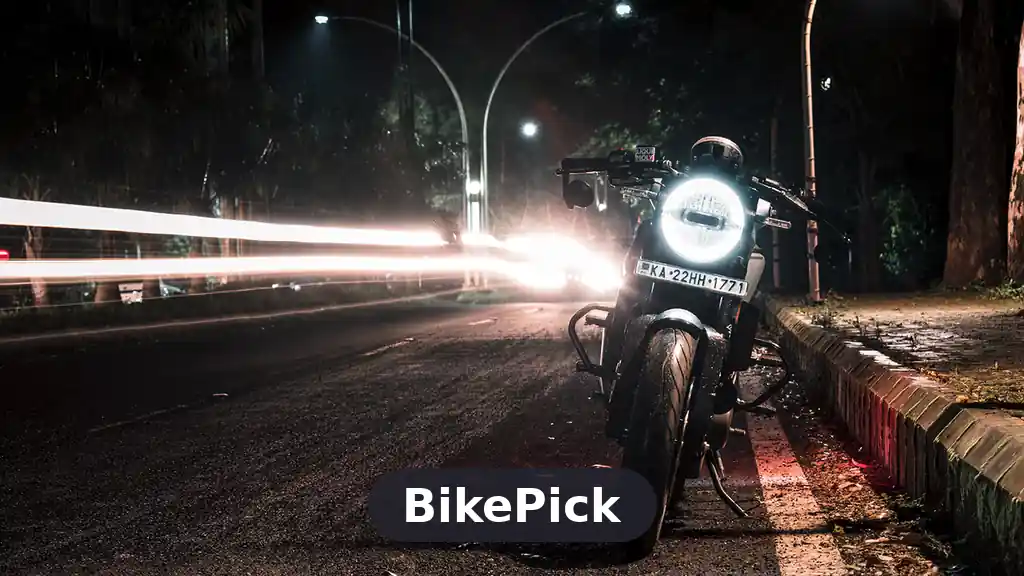
Your headlight is your most important piece of equipment at night, and it deserves a proper check before every night ride. Make sure both the low beam and the high beam work, and check that the beam is aimed correctly. A headlight aimed too low lights up the road right in front of your wheel and leaves the distance dark. A headlight aimed too high blinds oncoming drivers and gives you less useful light on the road.
Keep the headlight lens clean. Bugs, dust, and road grime build up quickly and can cut your light output noticeably. A quick wipe before you ride makes a real difference. Check your tail light and brake light too, and make sure your indicators are working. At night, other road users rely on your lights to know where you are and what you are doing.
Use your high beam when you are on an unlit road with no traffic ahead, and dip it as soon as you see another vehicle. Riding with high beam on behind another vehicle or towards oncoming traffic is dangerous for everyone. Get into the habit of dipping early rather than late. If an oncoming driver flashes you, check that you are on low beam.
Wear Gear That Makes You Visible
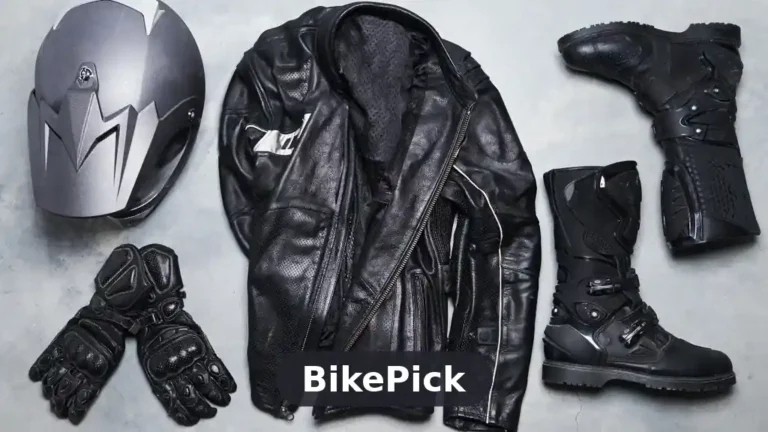
At night, being seen matters even more than during the day. Dark riding gear makes you almost invisible to other drivers, especially from behind or from the side. A jacket with reflective panels, a helmet with reflective details, and light coloured or fluorescent clothing all help. Reflective material works best because it catches headlights and makes you stand out clearly.
A reflective vest worn over your jacket is a simple and cheap way to improve your visibility. It is not the most stylish option, but at night it is one of the most effective. If you ride at night regularly, consider gear with built-in reflective panels rather than relying on a vest every time.
Your visor matters too. A clear visor is essential at night. A tinted or dark visor cuts the light reaching your eyes and makes it much harder to see hazards. If your helmet has a sun visor, make sure it is fully retracted before you ride in the dark. Carry a spare clear visor if you use a tinted one during the day, so you are not caught out when the light fades.
Slow Down and Increase Your Following Distance
The golden rule of night riding is simple: only ride as fast as your headlight lets you stop. Your headlight shows you a limited distance ahead, and if you are travelling faster than you can stop within that distance, you are riding blind into whatever is beyond it. Slow down, especially on roads you do not know well.
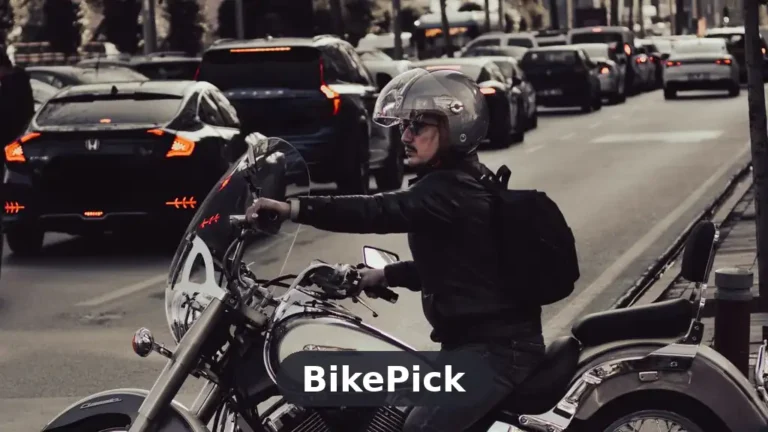
Increase your following distance at night. In the dark, it is harder to judge how quickly the vehicle ahead is slowing down, and brake lights can be hard to distinguish from tail lights at a distance. A bigger gap gives you more time to react and more room to stop. In wet conditions at night, increase the gap further still.
Be careful with your speed on bends. A bend that feels comfortable in daylight can hide a hazard at night, because you cannot see the road surface or what is around the corner. Enter bends more slowly than you would in the day, and look as far through the bend as your headlight allows.
Watch for Hazards You Cannot See Clearly
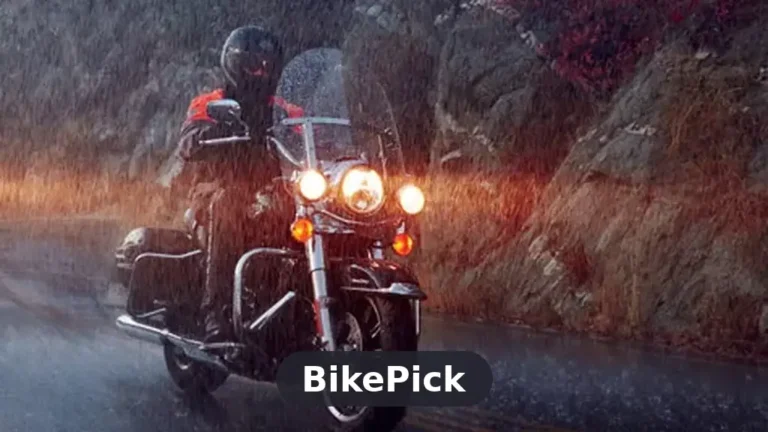
Some hazards are harder to spot at night. Potholes, loose gravel, wet leaves, and diesel spills all blend into dark tarmac. Watch for changes in the road surface and for reflections that might indicate water or oil. If you see a shiny patch on the road, treat it as slippery until you know otherwise.
Animals are another night hazard, especially on rural roads. Wildlife is more active after dark, and an animal in your headlight beam can freeze in place. If you see eyes reflecting in the dark ahead, slow down immediately. The animal may move unpredictably, and braking early is far better than swerving at the last moment.
Oncoming headlights can cause problems too. A bright light in your eyes can leave you temporarily blinded, especially if your visor is dirty or scratched. Keep your visor clean, and when an oncoming vehicle approaches, look slightly to the left edge of your lane rather than directly at the lights. This keeps your night vision working.
Stay Alert and Manage Tiredness
Tiredness is a serious risk at night, both for you and for the drivers around you. If you feel drowsy, stop and rest. A short break, some fresh air, and a drink can help, but if you are genuinely tired, the only safe option is to stop riding for the night. No journey is worth pushing through exhaustion.
Plan your night rides so you are not riding when you are already tired. A ride home after a long day is a common situation where tiredness creeps in. Keep the ride simple, stick to familiar roads, and take a break if you notice your concentration slipping. Warning signs include missing a turn, struggling to keep a steady speed, or realising you cannot remember the last stretch of road.
Prepare Your Bike and Your Route
Before a night ride, do a quick check of your tyres, brakes, and lights. Make sure you have enough fuel, since filling stations can be closed late at night. Charge your phone and let someone know your route and expected arrival time, especially if you are riding alone on quiet roads.
Choose your route with care. Well-lit main roads are safer at night than dark country lanes, even if they take a little longer. If you are riding somewhere unfamiliar, plan the route in advance so you are not trying to read signs or a navigation screen in the dark. A route you know well is always the safer choice at night.
Your Night Riding Checklist
Run through this checklist before any ride after dark. It covers the essentials that make night riding safer and less stressful.
Check your headlight on both beams and clean the lens. Check your tail light, brake light, and indicators. Fit a clear visor and clean it inside and out. Wear reflective gear or a reflective vest. Slow down so you can stop within the distance your headlight shows. Increase your following distance. Watch for shiny patches, animals, and road surface changes. Take a break if you feel tired, and never push through drowsiness. Stick to well-lit familiar roads where you can. Let someone know your route if you are riding alone.
Night riding can be one of the most enjoyable parts of owning a motorcycle, once you have the preparation and the habits in place. Take it slowly at first, build your experience on familiar roads, and let your confidence grow with each ride. For more on the broader skills behind these tips, read our guide to motorcycle safety basics and how to ride safely in traffic.
The night is not the enemy. Poor preparation is. Get your lights, gear, and mindset right, and the dark becomes just another part of the ride.
Is night riding more dangerous than riding during the day?
Yes, night riding carries extra risk because visibility is lower and hazards appear later. You can manage that risk by slowing down, wearing reflective gear, keeping your lights in good condition, and staying alert. With good preparation, night riding is a normal part of motorcycling.
Should I wear a tinted visor at night?
No, never ride at night with a tinted or dark visor. It cuts the light reaching your eyes and makes hazards much harder to see. Always use a clear visor after dark, and keep it clean inside and out so your vision stays sharp.
How fast should I ride at night on a motorcycle?
Ride only as fast as you can stop within the distance your headlight shows. That usually means riding slower than you would in daylight, especially on roads you do not know. Increase your following distance too, so you have more time to react.
What should I do if I feel tired while riding at night?
Stop and rest as soon as you can do so safely. A short break and some fresh air may help if you are only slightly tired, but if you are genuinely drowsy, do not keep riding. Tiredness slows your reactions and narrows your attention, and no journey is worth the risk.