Rain Riding Gear and Cold Weather Riding Essentials
Rain and cold do not have to end your riding. With the right gear, wet and cold rides can be comfortable, safe, and even enjoyable. Without it, they are miserable, distracting, and dangerous. Cold hands react slowly, wet feet go numb, and a rider who is shivering is a rider who is not thinking clearly about the road.
This guide covers the gear you need for rain and cold weather riding, how to layer it properly, and the common mistakes that leave riders wet, cold, and unhappy. It is written for riders who commute, tour, or simply refuse to put the bike away when the weather turns.
Start With Waterproofing That Actually Works
Waterproofing is the foundation of wet weather gear. A jacket and trousers with a proper waterproof membrane will keep you dry in sustained rain. A water resistant coating will not. The difference matters, and it is worth checking the description before you buy. Look for the words waterproof, not water resistant, and check whether the membrane is laminated into the fabric or is a separate liner.
A laminated membrane keeps water out at the surface, so the outer fabric stays lighter and dries faster. A separate waterproof liner keeps you dry inside, but the outer fabric soaks up water and becomes heavy. Both work, but laminated gear is more comfortable on a long wet ride. Either way, check the zips. Waterproof zips, storm flaps, and sealed seams all matter, because water finds the weakest point.
Do not forget the small gaps. Water runs down your neck, up your sleeves, and into your boots if the seals are not right. A jacket with a high collar, a good neck closure, and cuffs that seal under your gloves will keep you far drier than a jacket with gaps. The same applies to trousers. Make sure the leg cuffs seal over your boots, or water will run straight down into them.
Layering for Cold Weather
Layering is the key to staying warm without overheating. The idea is simple: a base layer to move moisture away from your skin, a mid layer to insulate, and an outer layer to block wind and rain. Each layer has a job, and together they keep you warm across a wide range of temperatures.
Your base layer should be made from a material that wicks moisture, such as merino wool or a synthetic wicking fabric. Avoid cotton as a base layer, because it holds moisture against your skin and makes you cold. A good base layer keeps you dry, and dry skin stays warm far longer than damp skin.
Your mid layer provides insulation. A fleece, a thin down layer, or a thermal top all work well. The mid layer should fit under your jacket without restricting your movement. If your jacket has a removable thermal liner, that can be your mid layer, but a separate layer gives you more flexibility to adjust as the temperature changes.
Your outer layer is your riding jacket and trousers. It blocks wind and rain, and it holds your armour in place. Make sure your outer layer still fits properly with the layers underneath. A jacket that is too tight over layers will restrict you and compress the insulation, which makes it less effective. Our motorcycle jacket buying guide explains how to check fit with layers on.
Hands, Feet and Head in Cold and Wet Weather
Your hands are the first thing to suffer in cold weather. Winter gloves with insulation and a waterproof membrane are essential, and they are worth the money. If your hands still get cold, heated grips or heated gloves can make a real difference. Heated grips warm your palms, while heated gloves warm the whole hand. Both are popular with riders who commute through winter.
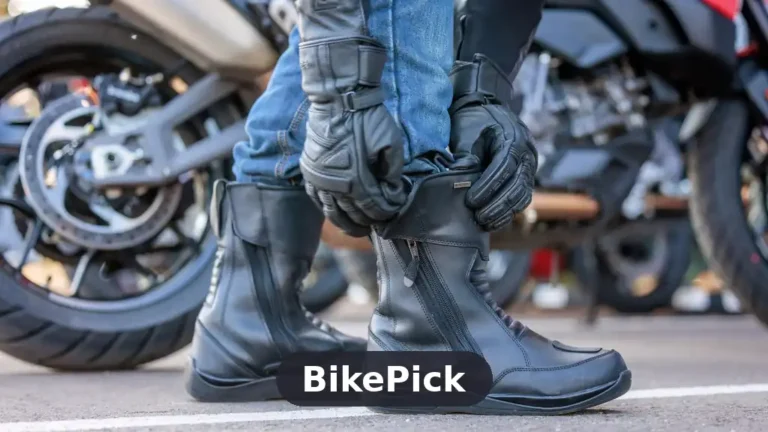
Your feet need the same care. Waterproof boots with good insulation will keep you comfortable far longer than summer boots. Thick riding socks help, but they should not make your boots too tight, because tight boots restrict blood flow and make your feet colder. If your boots are not waterproof, waterproof overshoes can help, though they are a compromise.
Your head needs attention too. A balaclava or neck tube keeps cold air from running down your neck and into your jacket, and it makes a big difference on a cold ride. It also helps reduce fogging, because it directs your breath away from the visor. In rain, a Pinlock insert or a good anti fog coating on your visor is essential. A fogged visor is a serious safety problem, and it should be sorted before you ride, not during. See our helmet buying guide for more on visors and anti fog options.
Rain Gear Extras Worth Carrying
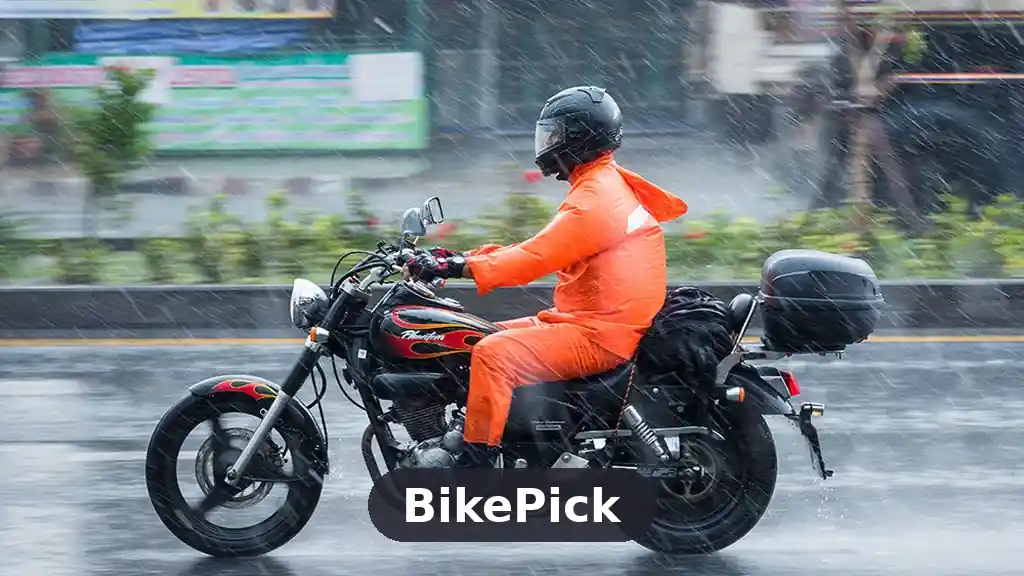
A lightweight waterproof over suit is one of the most useful things you can carry on a bike. It packs small, goes over your normal gear in minutes, and keeps you dry in a downpour. Even if your jacket and trousers are waterproof, an over suit adds a layer of protection and keeps your main gear clean and dry underneath.
Waterproof glove covers and boot covers are also worth carrying. They are cheap, they pack small, and they can save a ride when the rain is heavier than expected. A small dry bag for your phone, documents, and other essentials is another sensible addition. Electronics and paper do not survive a wet ride in a jacket pocket.
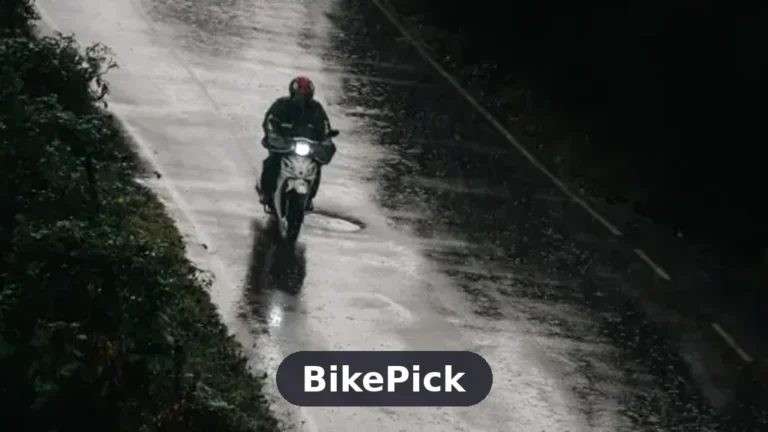
Visibility matters more in rain. Hi visibility panels, reflective strips, and a bright helmet or jacket help other drivers see you when spray and low light reduce visibility. Rain also reduces grip, so check your tyres before a wet ride. Worn tyres and low pressure are far more dangerous on a wet road than on a dry one. Our guide to riding in the rain covers the riding technique to match your gear.
Common Cold and Wet Weather Mistakes
The most common mistake is underestimating the wind chill. At riding speed, the air feels far colder than the temperature suggests, and a rider who feels fine standing still can be freezing within minutes on the road. Dress for the riding temperature, not the standing temperature, and add a layer you think you will not need. You can always stop and remove it.
Another mistake is wearing too many bulky layers that restrict movement. You need to be able to move freely to control the bike, and layers that bunch up or press on your arms will tire you and slow your reactions. Choose thin, effective layers rather than thick, bulky ones, and check your movement before you set off.
A third mistake is ignoring your gear after the ride. Wet gear that is left screwed up in a bag will smell, lose its waterproofing, and wear out faster. Hang your gear up to dry, clean it according to the maker’s instructions, and reproof it when water stops beading on the surface. Look after your gear and it will look after you through many winters.
Rain and Cold Weather Essentials Checklist
Use this checklist before a wet or cold ride. One, waterproof jacket and trousers with sealed seams and good closures. Two, a wicking base layer, an insulating mid layer, and a windproof outer layer. Three, insulated waterproof gloves, with heated grips or heated gloves if you ride through real winter. Four, waterproof boots with warm socks that do not make them tight. Five, a balaclava or neck tube, and a visor with anti fog protection. Six, a packable waterproof over suit, dry bag, and high visibility gear.
Rain and cold riding rewards preparation. The riders who enjoy winter are not tougher than the rest. They are simply better dressed. Get the gear right, layer properly, and keep your hands, feet, and head warm and dry. Do that, and the weather becomes part of the ride, not a reason to stay home. Check everything before you set off with our motorcycle safety gear checklist, and ride warm.
What is the best way to stay warm on a motorcycle in winter
Layer properly with a wicking base layer, an insulating mid layer, and a windproof outer layer. Add insulated gloves, waterproof boots, and a balaclava, and consider heated grips if you ride through real winter.
Are waterproof motorcycle jackets really waterproof
A jacket with a proper waterproof membrane and sealed seams will keep you dry in sustained rain. A jacket described only as water resistant will not. Check the description and the zips before you buy.
How do I stop my visor fogging up in cold weather
Use a Pinlock insert or a good anti fog coating, and wear a balaclava or neck tube to direct your breath away from the visor. Keep the vents open slightly to move air through the helmet.