Helmet Buying Guide How to Choose a Safe Helmet That Fits
Your helmet is the single most important piece of riding gear you will ever buy. It is the one item that protects your head in a crash, and it is the one item you should never compromise on. A good helmet does not have to be the most expensive one in the shop, but it does have to be safe, it does have to fit properly, and it does have to suit the way you ride.
This guide explains how helmets are rated for safety, how to find the right fit, which type suits which kind of riding, and what features are worth paying for. It will help you choose with confidence, whether you are buying your first helmet or replacing an old one.
Safety Standards: What to Look For
Every helmet sold for road use should meet a recognised safety standard. The exact standard depends on your market, but common ones include ECE, DOT, and Snell, and many helmets carry more than one certification. Look for the certification label inside the helmet or on the strap, and check that it is genuine and current.
A certified helmet has been tested for impact absorption, penetration resistance, and strap strength. An uncertified helmet, however good it looks, has not passed those tests, and you have no way of knowing how it will perform in a crash. Never buy a helmet without a recognised certification, and be very careful with cheap helmets sold online with no clear standard.
Replace your helmet after any crash, even if it looks undamaged. The impact absorbing liner inside the helmet can be damaged without any visible sign outside. Most manufacturers also recommend replacing a helmet after around five years of regular use, because materials age and the fit loosens over time. Check the manufacturing date inside the helmet when you buy, and avoid helmets that have been sitting on a shelf for years.
Helmet Types and Who They Suit
Full face helmets cover your whole head, including your chin and jaw, and they offer the best protection. They are the best choice for most riders, from commuters to tourers to sports riders. They are also the quietest and most weatherproof, which matters on longer rides.
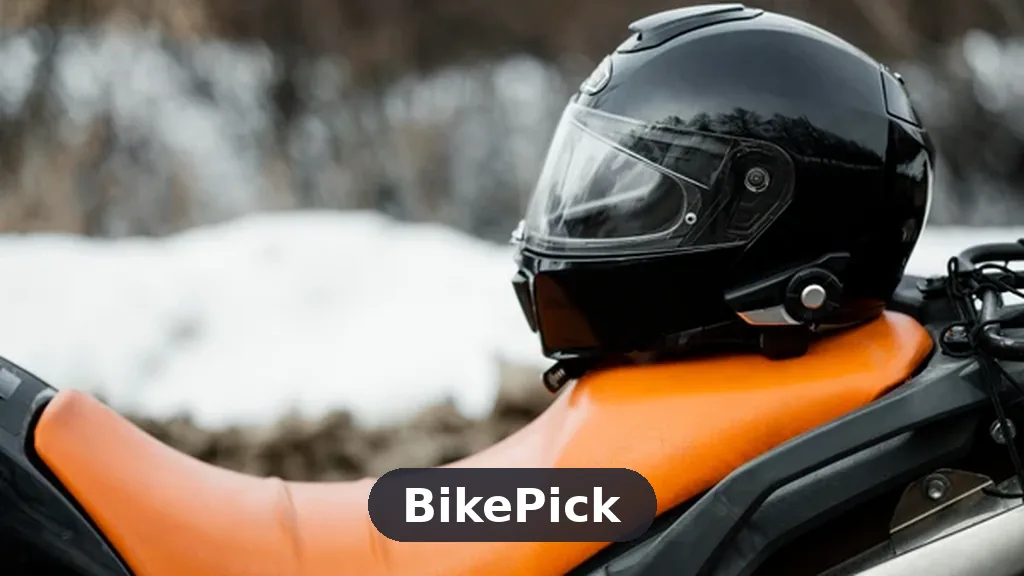
Modular helmets, sometimes called flip up helmets, have a chin bar that lifts up. They are popular with tourers and commuters because you can lift the front at a stop to talk, eat, or get some air without removing the helmet. They are heavier than a full face helmet, and the hinge is a compromise, so check that the model you choose is certified to be ridden with the chin bar up if that matters to you.
Open face helmets cover the top, back, and sides of your head but leave your face exposed. They feel airy and give a wide field of view, and some riders love them for slow city riding. They offer far less protection for your face and jaw, so they are a compromise. If you choose one, wear eye protection and accept the trade off.
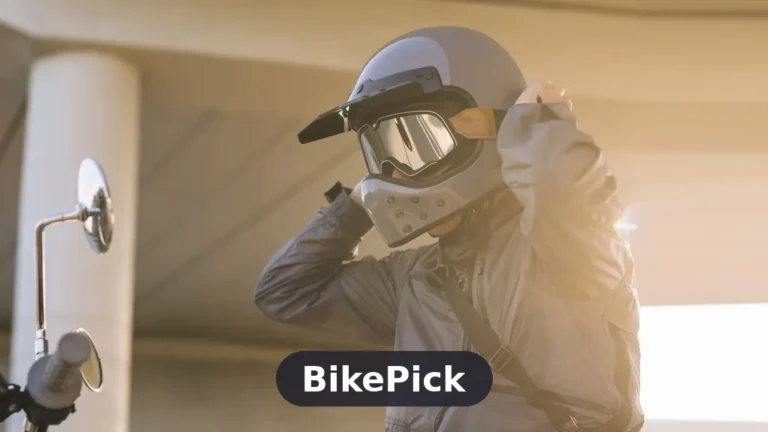
Adventure and dual sport helmets combine a full face design with a peak and a wider eye opening for goggles. They suit adventure and off road riding, where the peak helps with sun and roost, and goggles work better than a visor in dusty conditions. For pure road riding, a standard full face helmet is usually quieter and more comfortable.
Getting the Fit Right
Fit matters more than brand or price. A helmet that does not fit properly will be uncomfortable, noisy, and less protective in a crash. It can also move on your head or come off, which defeats its purpose entirely. Take your time with fit, and try helmets on in a shop whenever you can.
Start by measuring your head. Wrap a soft tape around your head just above your eyebrows and ears, and note the measurement. Compare it with the manufacturer’s size chart, but treat the chart as a starting point, not a final answer. Head shapes differ, and two helmets in the same size can fit very differently.
When you try a helmet on, it should feel snug all round, with even pressure and no loose spots. It should not pinch painfully at the forehead or the sides. Shake your head gently. The helmet should move with your head, not slide around on its own. Hold the helmet and try to rotate it. Your cheeks should move with it. If the helmet rotates freely while your head stays still, it is too loose.
Wear the helmet in the shop for at least ten minutes. Pressure points often appear after a few minutes, not immediately. A helmet that feels tight at first will usually break in slightly as the lining settles, but a helmet that hurts after ten minutes will not get better. If it hurts, try a different size or a different shape. Our essential riding gear guide explains how the helmet fits into your full gear setup.
Visors, Ventilation and Comfort
A good visor should be clear, scratch resistant, and easy to change. Look for a visor that seals well against the helmet to keep out rain and wind, and check whether it has an anti fog coating or a Pinlock insert option. Fogging is a real problem in cold or wet weather, and a good anti fog system makes a big difference to safety.
Many helmets now come with an internal sun visor that drops down at the touch of a lever. This is convenient for changing light conditions, and it means you do not need to carry a separate tinted visor. It is not a substitute for sunglasses on very bright days, but for most riders it is a genuinely useful feature.
Ventilation matters more than most new riders expect. A helmet with good airflow keeps you cool in summer and reduces fogging in winter. Look for vents at the front and exhausts at the back, and check that they are easy to open and close with gloves on. Try the vents in the shop, and read reviews from riders in a climate like yours.
Features Worth Paying For, and Ones to Skip
A removable and washable lining is worth having. It keeps the helmet fresh, and it lets you replace the lining if it wears out. An emergency cheek pad release system, which lets a helper remove the pads safely after a crash, is a thoughtful safety feature found on many good helmets.
Be cautious about paying a premium for graphics or a famous name alone. A plain helmet from a reputable brand with the right certification and fit will protect you just as well as a race replica at twice the price. Spend your money on fit, comfort, and safety, and let the paintwork be a bonus, not the reason you buy.
Helmet Buying Checklist
Use this checklist when you shop, and do not buy until every item is covered. One, the helmet carries a recognised safety certification. Two, it is a full face design unless you have a clear reason to choose another type. Three, the size and shape fit your head snugly with no pressure points after ten minutes. Four, the visor is clear, seals well, and has anti fog provision. Five, the ventilation works with gloves on and the weight feels comfortable. Six, the helmet is new, not used, and the manufacturing date is recent.
Never buy a used helmet. You cannot know whether it has been dropped or crashed, and the liner may be damaged without any visible sign. A used helmet is a false economy, and it is the one piece of gear where buying second hand is never worth the risk.
Your helmet is with you on every ride, in every weather, for years. Choose it slowly, try on several models, and buy the one that fits best, not the one that looks best on the shelf. A helmet that fits properly is a helmet you will wear happily, and a helmet you wear happily is a helmet that protects you. Pair it with the rest of your gear using our motorcycle safety gear checklist before your next ride.
How tight should a motorcycle helmet fit
It should feel snug all round with even pressure and no loose spots. It should move with your head when you shake it, not slide around on its own. A new helmet will break in slightly, but it should never hurt after ten minutes of wear.
How often should I replace my motorcycle helmet
Replace it after any crash, even if it looks undamaged, and after around five years of regular use. Materials age and the fit loosens over time, so check the manufacturing date inside the helmet when you buy.
Is a more expensive helmet always safer
Not necessarily. Any helmet with a recognised safety certification has passed impact and strap tests. Extra money usually buys comfort, lighter weight, quieter aerodynamics, and better ventilation, not always more protection.