Essential Riding Gear Guide Helmet Jacket Gloves and Boots
On a motorcycle you have no metal cage around you, no airbag and no seat belt. Your gear is your protection, and it is the only thing between your skin and the road in a fall. Good gear will not prevent a crash, but it can turn a serious injury into a minor one. That is why experienced riders treat gear as essential, not as an optional extra to buy later.
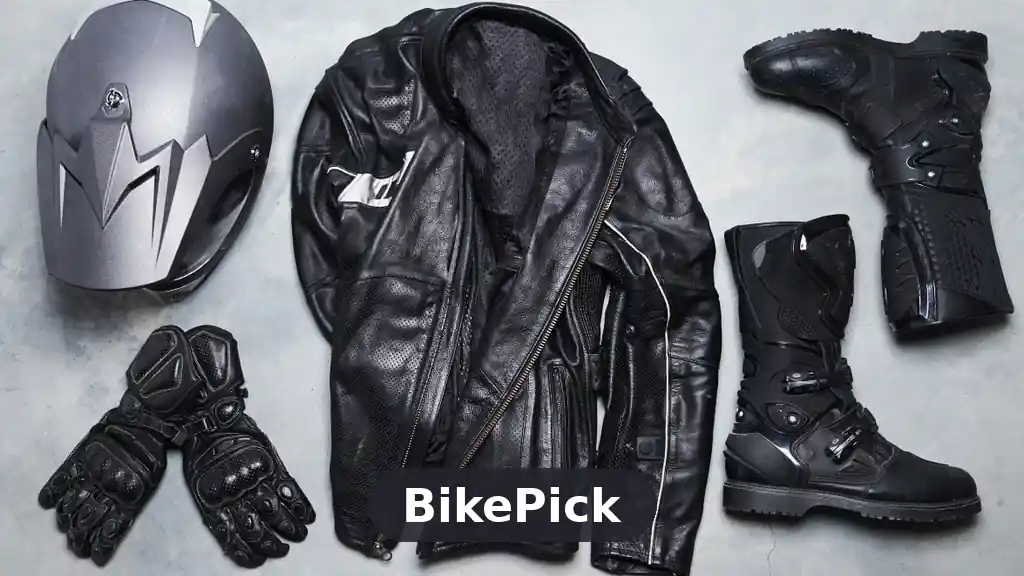
This guide covers the four essentials: helmet, jacket, gloves and boots. For each one we explain what to look for, how it should fit, and the mistakes that new riders most often make. We also look at trousers, waterproofs and cold weather layers, and how to look after your gear so it lasts.
Helmet: the most important item you will buy
Your helmet is the most important piece of gear you own. A head injury can be life changing, and a good helmet that fits well is the best protection you can buy. Choose a helmet that meets the safety standard recognised where you live, and buy it new from a reputable seller. Never buy a second hand helmet unless you know its full history and are certain it has never been dropped or crashed, because a helmet that has taken an impact may look fine but may no longer protect you properly.
Full face helmets offer the most protection, covering your chin and jaw as well as your skull. Open face and modular helmets offer more airflow and convenience, but they protect less of your face. For most riders, a full face helmet is the safest choice. Check that the visor is clear, scratch free and easy to open and close with gloves on, and that vents work well enough to prevent fogging. Replace a helmet after a crash, and follow the maker guidance on replacement after several years of regular use. Our detailed helmet buying guide explains fit, standards and types in full.
Jacket: protection, comfort and visibility
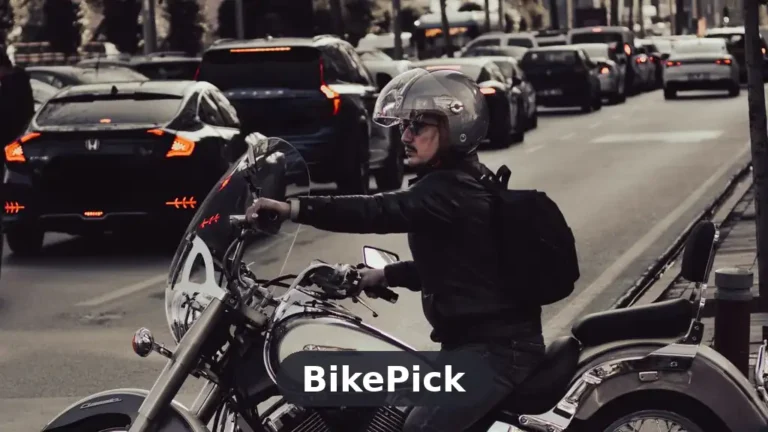
A good motorcycle jacket protects you in two ways. Armour in the shoulders, elbows and back absorbs impact, while abrasion resistant material protects your skin if you slide along the road. A normal jacket or hoodie will tear in seconds in a slide, so it is not a substitute for a proper riding jacket, even at low speed.
Leather offers excellent abrasion resistance and a classic feel, but it needs care and can be hot in summer. Textile jackets are often more versatile, with waterproof liners, ventilation and removable thermal layers for different weather. Either can be a good choice if the material is made for riding, the armour is in the right places and the fit is correct. Check that the armour sits over your shoulders and elbows when you are in a riding position, not when you are standing straight.
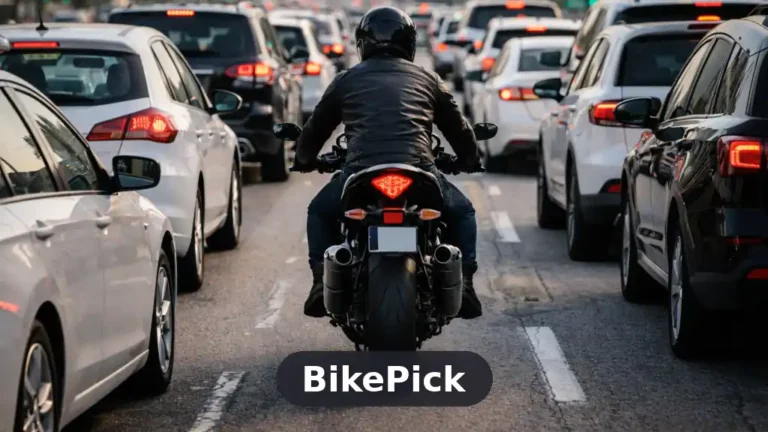
Fit matters for a jacket too. It should be snug enough that armour stays in place in a fall, but not so tight that it restricts your movement or your breathing. Sleeves should cover your wrists when you reach for the bars, and the jacket should be long enough to cover your lower back when you lean forward. Look for reflective panels or bright colours for visibility, especially if you ride at night or in poor light. Read our motorcycle jacket buying guide for a closer look at materials, armour and fit.
Gloves and boots: hands and feet need protection too
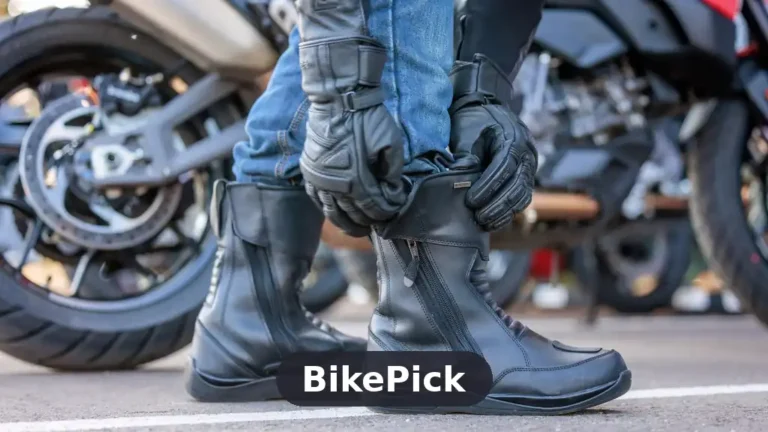
Hands and feet are often injured in a fall, because you put your hands out instinctively and your feet and ankles are close to the road and the bike. Good gloves and boots are therefore essential, not optional. A good pair of gloves should protect your knuckles, palms and fingers, fit snugly without restricting your grip, and let you feel the controls clearly. Look for gloves with palm protection and a secure wrist closure, so they do not come off in a slide.
Boots should cover your ankles, support them firmly, and protect your toes, heels and shins. They should have a sole that grips well on wet roads and foot pegs, and a closure that stays secure while riding. Trainers and casual shoes offer almost no protection in a fall and can come off easily, so they are not suitable for riding. Our guide to motorcycle gloves and boots explains what to look for in both, and why fit and protection matter more than style.
Trousers, waterproofs and cold weather layers
Your legs need protection too. Riding trousers with armour at the knees and hips and abrasion resistant material are the safest choice. Reinforced riding jeans are a practical compromise for many riders, offering more protection than normal jeans while looking normal off the bike. Normal jeans or shorts offer very little protection and should not be your regular riding choice.
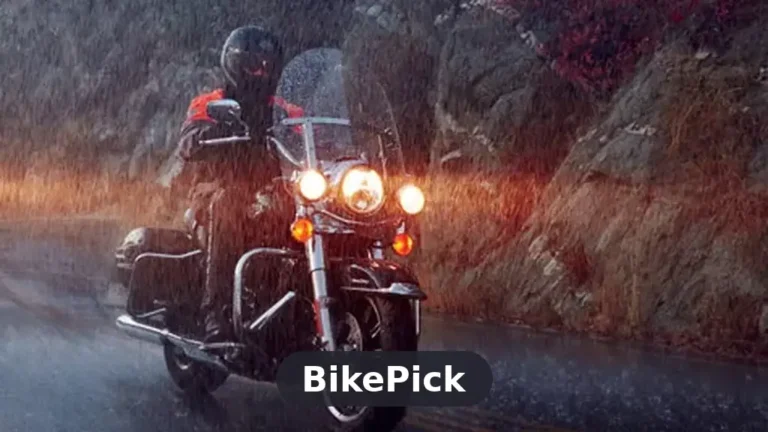
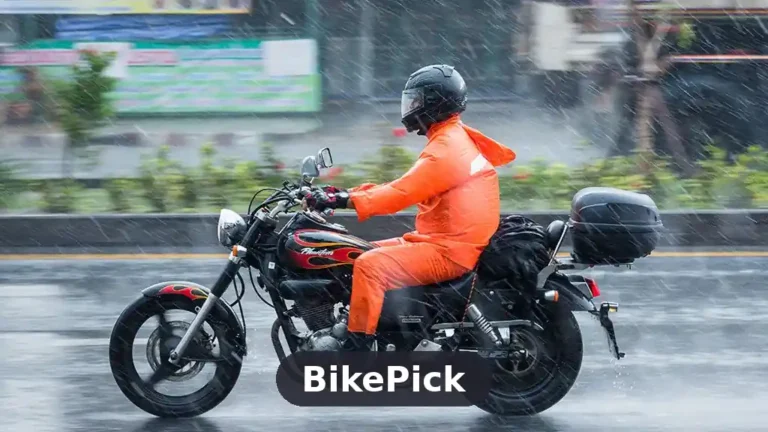
Waterproofs and cold weather layers make riding comfortable in poor conditions, which also makes it safer. A cold, wet rider loses concentration faster and reacts more slowly. A waterproof over suit, a thermal base layer and a neck warmer are simple additions that extend your riding season and keep you focused on the road. Our guide to rain riding gear and cold weather essentials covers what to pack for wet and cold rides.
How to choose gear that fits your riding
Choose gear for the riding you actually do, not for the riding you imagine. A commuter who rides in all weather needs waterproof, practical gear with good visibility. A weekend rider in a warm climate may prioritise ventilation and comfort. A tourer needs gear that works for long days and changing weather. Try gear on together, in a riding position if you can, and check that jacket, gloves and boots work as a set without gaps at wrists or ankles.
Budget for gear before you buy the bike, because gear is part of the cost of riding. It is better to buy a slightly less expensive bike and good gear than to buy an expensive bike and ride with poor gear. Good gear lasts for years if you look after it, so treat it as an investment rather than a cost to minimise.
Gear checklist for every ride
Use this short checklist before every ride, even a short one. Most falls happen close to home, on familiar roads, so the short trip deserves the same protection as the long tour.
Helmet: full face where possible, fits snugly, visor clean and secure, strap fastened. Jacket: armour in place, zips and fasteners closed, reflective material visible. Gloves: fit well, wrist secure, no holes or worn palms. Boots: cover ankles, soles grip well, closures secure. Trousers: riding trousers or reinforced jeans, not shorts or thin trousers. Weather: waterproofs and thermal layers packed if the forecast is uncertain. If any item fails the check, fix it or replace it before you ride. Our motorcycle safety gear checklist for every ride is a quick version of this list to keep by your bike.
Conclusion
Essential riding gear is simple: a well fitting helmet, a protective jacket, gloves that protect without losing feel, boots that cover and support your ankles, and trousers made for riding. Buy gear that fits, wear it on every ride, and look after it. It will not make you invincible, but it will give you the best chance of walking away from a fall with minor injuries rather than serious ones. That is the best return any money spent on motorcycling can give you.
What riding gear do I need as a new rider
You need a well fitting helmet, a protective jacket with armour, gloves and boots that cover your ankles. Riding trousers with protection are also important. Buy gear before you buy the bike if you can, and wear it on every ride, even short ones, because most falls happen close to home.
Should I buy a second hand motorcycle helmet
It is best not to buy a second hand helmet unless you know its full history and are certain it has never been dropped or crashed. A helmet that has taken an impact may look fine but may no longer protect you properly. A new helmet from a reputable seller is the safest choice, and fit matters as much as price.
Are textile jackets as safe as leather jackets
A good textile jacket made for riding can be very safe, with armour and abrasion resistant material, plus waterproofing and ventilation that leather does not always offer. Leather offers excellent abrasion resistance. Either can be a good choice if it is made for riding, fits well and has armour in the right places.
How should motorcycle boots fit
Boots should cover your ankles, support them firmly and protect your toes and heels, with a sole that grips well on wet roads and foot pegs. They should feel snug without pinching, and closures should stay secure while riding. Trainers and casual shoes offer almost no protection and can come off in a fall, so they are not suitable for riding.