Motorcycle Safety Basics Visibility Braking and Defensive Riding
Riding a motorcycle is enjoyable and practical, but it also carries more risk than driving a car. You are smaller, less visible and less protected, and a mistake by another driver can affect you far more than it would affect a car driver. The good news is that a large share of motorcycle crashes can be prevented, or made less serious, by good habits. Visibility, braking and defensive riding are the three basics that matter most.
This guide explains those basics in practical terms, without scare tactics. You will learn how to be seen, how to brake well, how to position yourself in traffic, and how to read the road ahead so you have time to react. These are skills you can practise on every ride, and they get stronger with use.
Be seen: visibility is your first defence
Many crashes happen because another driver did not see the motorcycle, or saw it too late. A motorcycle is small, and it can hide in a blind spot, behind a pillar or in the glare of low sun. Your job is to make yourself as visible as possible and to assume that other drivers may not have seen you, even when you think you are obvious.
Wear bright or light coloured gear and a light coloured helmet where you can, and use reflective material on your jacket, boots or bike, especially at dawn, dusk and in rain. Keep your headlight on where that is normal practice in your area, and keep it clean. Position yourself in the lane where other drivers can see you in their mirrors, not hidden behind a larger vehicle or tucked into a blind spot.
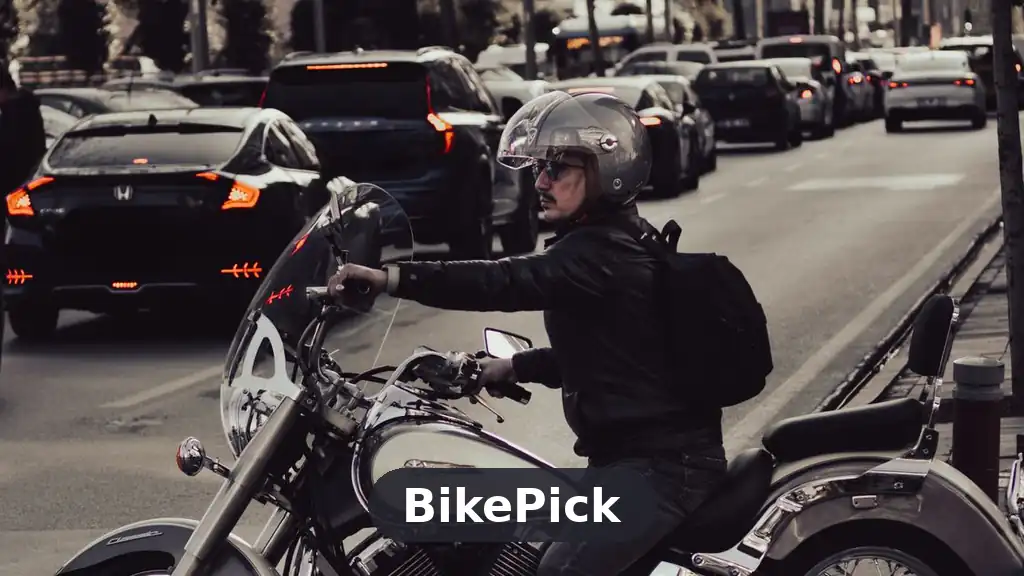
Move within your lane to stay visible when you approach a junction or a vehicle that may turn across you. A small change in position can make you stand out against the background and can catch a driver’s eye. Use your indicators early and clearly, and make eye contact with other drivers where you can, but never assume that eye contact means they have understood your intention. Our guide to how to ride safely in traffic explains positioning and visibility in busy roads in more detail.
Braking: learn it well before you need it
Good braking is a skill, not a reflex you can rely on without practice. In an emergency, many riders brake too hard on one brake, too gently on both, or grab the front brake and lose control. The answer is to practise braking in a safe place until it feels natural, so that in a real emergency your hands and feet do the right thing without thinking.
Use both brakes together for most stops. The front brake provides most of the stopping power on a motorcycle, while the rear brake adds stability. Squeeze the front brake progressively rather than grabbing it, and press the rear brake smoothly. Keep your eyes up and look ahead, not down at the road in front of your wheel, and keep the bike upright while you brake hard.
If your bike has ABS, learn how it feels when it works. Practise emergency stops with an instructor or in a safe, empty space, so you know the pulsing feeling of ABS and do not release the brakes in surprise when it activates. ABS helps prevent wheel lock, but it does not shorten stopping distance on every surface, and it does not replace good observation and a safe following distance. Learn more in our guide to ABS and traction control explained for new riders.
Defensive riding: expect the unexpected
Defensive riding means riding as if other road users might make a mistake, because sometimes they will. A car may turn across you, a driver may pull out of a side road, a pedestrian may step out, or a vehicle ahead may brake suddenly. A defensive rider leaves space and time to react to those events, rather than riding so close or so fast that there is no margin left.
Keep a safe following distance, larger in wet weather and at higher speed. Scan the road ahead, not just the vehicle in front of you, and look for clues: a car waiting to turn, a wheel turning at a junction, a driver looking at a phone, a gap in parked cars where a pedestrian might emerge. The earlier you spot a hazard, the more time you have to slow down, change position or stop.
Road positioning and junctions
Where you sit in your lane matters. Ride in a position that gives you the best view ahead, the best visibility to others and the most space from hazards. Avoid the centre of the lane where oil and debris often collect, especially in wet weather, and avoid riding too close to parked cars, where a door may open or a pedestrian may step out.
Junctions are one of the highest risk places for a rider. Slow down on approach, check for vehicles waiting to turn, cover your brakes and be ready to stop. Do not assume that a driver waiting at a junction has seen you, even if you have made eye contact. Be especially careful when a vehicle ahead is turning, because a driver behind you may not expect you to slow down.
Riding in rain, at night and in poor conditions
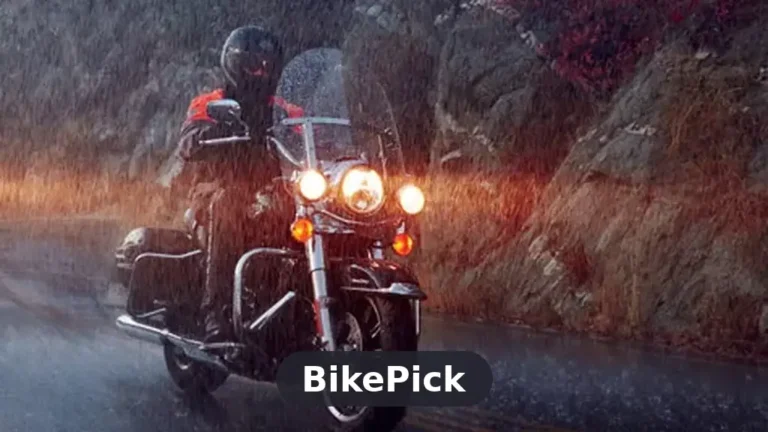
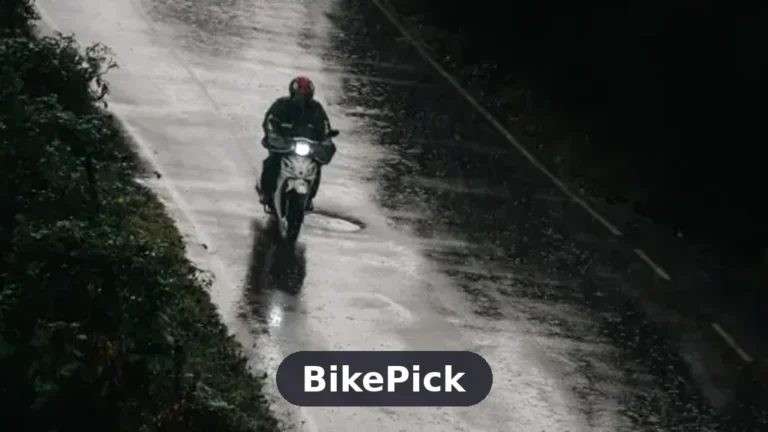
Rain, darkness and cold all increase risk, because grip is lower, visibility is worse and other drivers find it harder to see you. In rain, slow down, increase your following distance, brake earlier and more gently, and avoid painted lines, metal covers and oil patches, which become slippery when wet. Wear waterproof gear that keeps you warm and dry, because a cold, wet rider loses concentration faster.
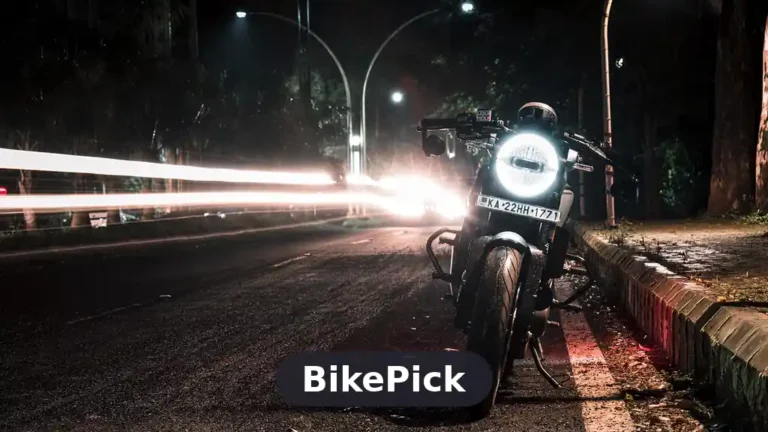
At night, keep your visor clean, use your lights properly and ride at a speed that lets you stop within the distance your lights reveal. Be extra careful at junctions and on unlit roads, where a motorcycle can be hard to judge. If you are tired, stop and rest. Tiredness slows your reactions as surely as poor weather, and a short break is always worth it. Our guides to riding in the rain and night riding safety tips cover these conditions in detail.
A safety habits checklist
Use this checklist to build safety into every ride, not just the rides that feel risky.
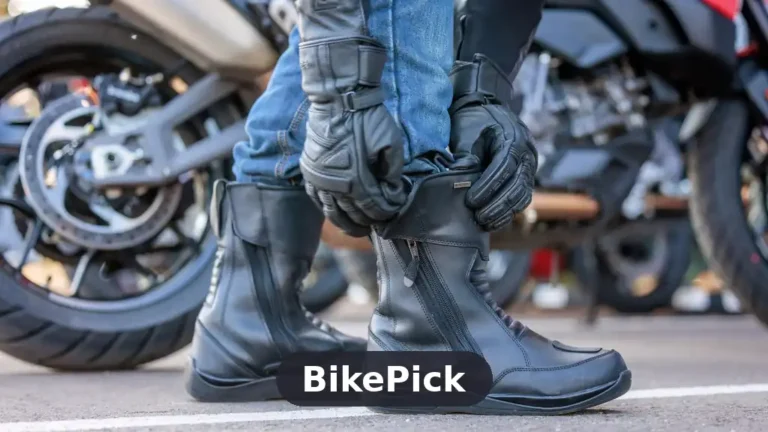
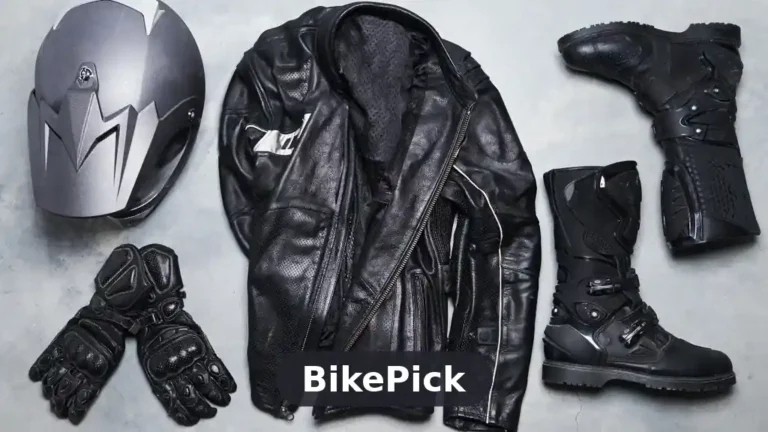
One, wear full gear on every ride, including a helmet, jacket, gloves and boots. Two, check tyres, brakes, lights and chain before you set off. Three, position yourself to be seen, and assume other drivers may not have seen you. Four, keep a safe following distance and scan the road well ahead. Five, cover your brakes near hazards and junctions. Six, brake with both brakes, smoothly and progressively. Seven, ride at a speed that lets you stop in the distance you can see. Eight, slow down in rain, at night and when you are tired, and stop for a break when you need one.
These habits are simple, but they are powerful together. A rider who is visible, who brakes well and who rides defensively will avoid many crashes that a faster, less careful rider would not. Safety is not about riding slowly all the time. It is about riding with attention, space and skill, so that you have time to deal with what the road throws at you.
Conclusion
Motorcycle safety basics come down to three ideas. Be seen, brake well and ride defensively. Wear gear that protects you and makes you visible, practise braking until it is smooth and confident, and read the road ahead so you are never surprised. Keep learning, keep practising and keep your bike well maintained. The safest riders are not the most cautious riders. They are the riders who pay attention, leave space and make good decisions on every ride.
How can I make myself more visible on a motorcycle
Wear bright or light coloured gear and a helmet, use reflective material, keep your headlight on where that is normal practice, and position yourself in the lane where other drivers can see you. Move within your lane near junctions to stand out, use indicators early, and never assume another driver has seen you even if you have made eye contact.
Should I use both brakes on a motorcycle
Yes, for most stops you should use both brakes together. The front brake provides most of the stopping power, while the rear brake adds stability. Squeeze the front brake progressively rather than grabbing it, press the rear brake smoothly, and keep your eyes up. Practise emergency stops in a safe place so the technique feels natural.
What is defensive riding on a motorcycle
Defensive riding means riding as if other road users might make a mistake, and leaving space and time to react. Keep a safe following distance, scan the road ahead for hazards, cover your brakes near junctions, and ride at a speed that lets you stop in the distance you can see to be clear.
Is it safe to ride a motorcycle in the rain
Riding in rain can be safe if you slow down, increase following distance, brake earlier and more gently, and avoid slippery surfaces like painted lines and metal covers. Wear waterproof gear that keeps you warm and dry, keep your visor clean, and stop for a break if visibility is poor or you feel cold and tired.