New Owner Maintenance Basics Chain Tyres Oil and Service Intervals
Owning a motorcycle is more than riding it. A little regular maintenance keeps the bike reliable, safe and enjoyable, and it protects the money you spent on it. Many new owners worry that maintenance is complicated or expensive, but the basics are simple once you learn them. A few checks each week, plus servicing on schedule, will prevent most common problems before they become costly repairs.
This guide covers the maintenance basics every new owner should know: chain care, tyre checks, oil and fluid checks, and service intervals. It explains what to check, how often to check it, and when to ask a mechanic for help. Always follow the service schedule in your bike’s handbook, because it is specific to your model and takes priority over general advice here.
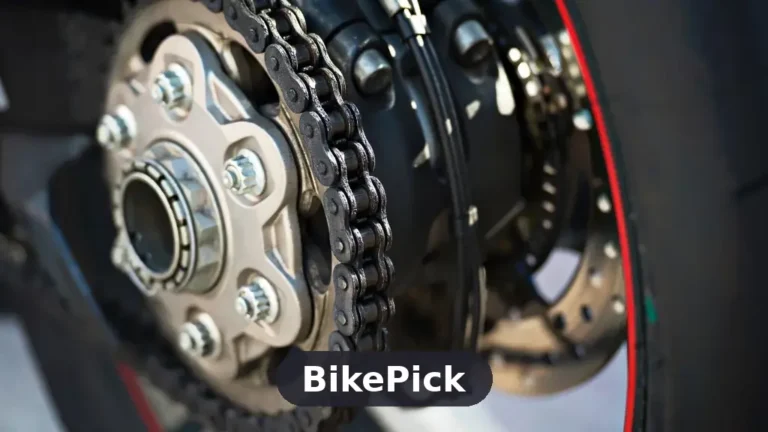
Chain care: clean, lubricate and adjust
If your bike has a chain drive, the chain is one of the most important parts to look after. A dry, dirty or badly adjusted chain wears out faster, wastes power, and can damage the sprockets. In the worst case, a neglected chain can snap or come off, which is dangerous at speed. Regular chain care is therefore a safety task, not just a chore.
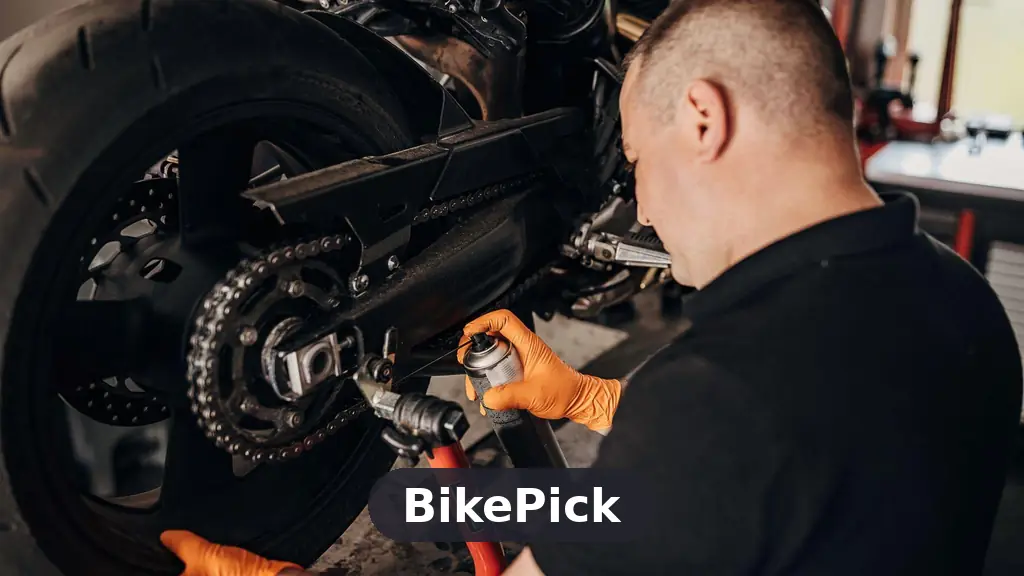
Check the chain regularly for slack, cleanliness and lubrication. The handbook will give the correct slack range for your bike, and you can check it by moving the chain up and down at its midpoint. The chain should be clean and lightly oiled, not dry, rusty or caked in dirt. After riding in rain or on dusty roads, the chain will need attention sooner than after a dry, clean ride.
To care for the chain, clean it with a suitable chain cleaner and a soft brush, let it dry, then apply chain lubricant evenly while you turn the rear wheel slowly. Wipe off excess lubricant so it does not fling onto the tyre or wheel. Check the sprockets at the same time. Teeth should be even and symmetrical, not hooked, pointed or chipped. If the chain has tight spots, rust that will not clean off, or the sprockets are worn, ask a mechanic to check whether replacement is due. Our detailed guide to motorcycle chain maintenance explains cleaning, lubrication and adjustment step by step.
Tyres: pressure, tread and age
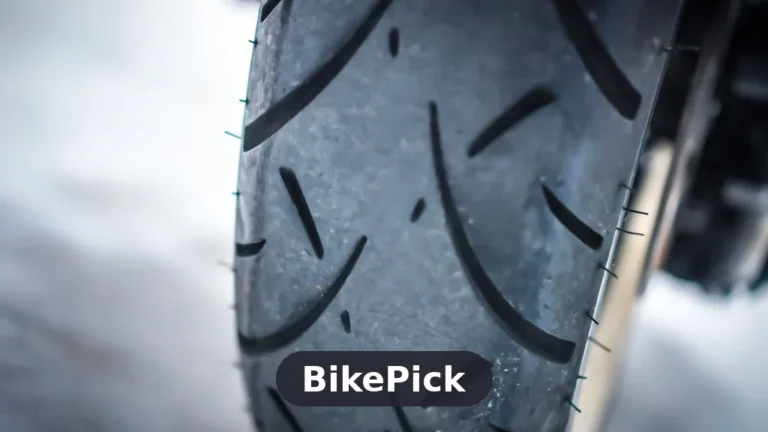
Tyres are your only contact with the road, so their condition decides how well your bike grips, brakes and handles. Check tyre pressures regularly, at least once a week and before a long ride, using a reliable gauge when the tyres are cold. The correct pressures are listed in your handbook and often on a sticker on the bike. Do not guess, and do not rely on how the tyre looks, because a tyre can be well under pressure and still look normal.
Low pressure makes the bike feel heavy and vague in corners, increases wear and can cause overheating. High pressure reduces grip and makes the ride harsh. Both are unsafe, so keep pressures correct. Check tread depth too, and look for cuts, cracks, bulges or embedded objects. Uneven wear can point to a problem with pressure, alignment or suspension, so do not ignore it.
Oil and fluids: the lifeblood of the engine
Engine oil lubricates, cools and protects the engine, and it needs to be at the right level and in good condition. Check the oil level regularly using the sight glass or dipstick described in your handbook, with the bike upright on level ground and the engine at the temperature the handbook specifies. Top up with the correct grade if the level is low, and do not overfill.
Check other fluids too. Brake fluid, coolant and, where fitted, clutch fluid all have levels and change intervals in the handbook. Low brake fluid or a spongy brake lever needs attention straight away. Low coolant can lead to overheating. If you see a fluid leak under the bike, find the source before you ride further. Our guide to motorcycle oil change basics for new owners explains when and how oil changes fit into your maintenance routine.
Service intervals: what happens and when
Your bike’s handbook sets out a service schedule, usually based on distance or time. A first service is often due early, after the first few hundred miles or kilometres, to check that everything has settled in correctly and to change the oil. Later services cover oil and filters, valve checks, brake and suspension checks, chain and tyre checks, and a general inspection of the bike.
Follow the schedule even if the bike feels fine. Many problems develop slowly and are cheaper to fix when they are found at a service than when they cause a breakdown. Keep a record of every service, with dates, distance and work done, and keep receipts. A complete service history protects your warranty where one applies, and it makes the bike easier to sell later, because buyers trust a bike with records.
Choose a mechanic or dealer you trust, and ask questions about what each service includes and what it costs. A good mechanic will explain what they found, what needs attention now and what can wait until the next service. If you ride a lot, you will reach service intervals by distance. If you ride little, you will reach them by time, because oil and fluids age even when the bike is not used. Our guide to first service and regular maintenance schedule explains what each service usually covers.
Weekly checks every new owner should do
A short weekly check takes only a few minutes and catches most problems early. Do it at the same time each week, so it becomes a habit rather than a chore you keep putting off.
Tyres: check pressures when cold, look for cuts, cracks and uneven wear. Chain: check slack, cleanliness and lubrication, and check sprockets for wear. Oil: check level with the bike upright and level, and look for leaks. Brakes: check pad thickness where visible, check fluid level, and test that both brakes feel firm. Lights: check headlight, tail light, brake light and indicators. Controls: check that throttle, clutch, steering and mirrors move freely and work smoothly. Battery: if the bike is used little, keep the battery charged and check terminals for corrosion. Our guide to motorcycle battery care explains how to keep the battery healthy during quiet periods.
If anything feels wrong, such as a new noise, a vibration, a leak or a brake that feels soft, do not ignore it. Small problems are usually cheap to fix early and expensive to fix late. When in doubt, ask a mechanic. It is better to pay for a check and find nothing wrong than to ride with a fault that could cause a breakdown or a crash.
When to do it yourself and when to ask a mechanic
Many new owners can learn basic tasks such as chain care, tyre pressure checks, oil level checks and cleaning. These tasks need few tools and are explained in the handbook. More complex work, such as valve checks, brake servicing, suspension work and electrical diagnosis, is best left to a qualified mechanic, at least until you have more experience and the right tools.
Conclusion
New owner maintenance is about habits, not expertise. Clean and lubricate the chain, keep tyre pressures correct, check oil and fluids, and follow the service schedule in your handbook. A few minutes each week and a service on time will keep your bike reliable, safe and enjoyable for years. Learn the basics, keep records, and ask a mechanic when you are unsure. Your bike will reward that care every time you ride it.
How often should I clean and lubricate my motorcycle chain
Check the chain regularly and clean and lubricate it more often after riding in rain or on dusty roads. Follow the interval in your handbook, and check slack at the same time. A clean, lightly oiled chain lasts longer, runs more smoothly and is safer than a dry, rusty or badly adjusted chain.
How often should I check my motorcycle tyre pressures
Check tyre pressures at least once a week and before a long ride, using a reliable gauge when the tyres are cold. Use the pressures listed in your handbook or on the bike sticker. Correct pressures improve grip, braking and handling, while low or high pressures wear tyres faster and reduce safety.
When should I change the engine oil on my motorcycle
Follow the oil change interval in your handbook, based on distance or time, whichever comes first. Oil collects dirt and loses its protective qualities over time, even if the bike is not used much. Check the oil level regularly between changes and top up with the correct grade if it is low.
What is the first service on a new motorcycle
The first service is usually due early, after the first few hundred miles or kilometres, to check that everything has settled in correctly and to change the oil. It is an important service, so do not skip it or delay it. Follow the schedule in your handbook and keep a record of the service for warranty and resale.