Electric Motorcycles and Scooters Range Charging and Who They Suit
Electric Motorcycles and Scooters Range Charging and Who They Suit. Electric motorcycles and scooters have moved from curiosity to a genuine option for many riders. They are quiet, simple to ride, and cheap to run per kilometre. But they are not right for everyone, and the marketing around range can be misleading. Before you spend money on one, you need a clear picture of real-world range, how charging fits into your day, and what kind of riding electric power suits best.
This guide keeps it practical. We explain how range works in real life, what charging actually looks like at home and away from home, how an electric motorcycle differs from an electric scooter, and who should buy one and who should wait. If you are still deciding between bike types in general, our overview of commuter, touring, sports, cruiser and adventure bike types will help you place electric bikes in the wider picture.
How Electric Range Works in Real Life
The range figure on a spec sheet is measured in gentle, controlled conditions. Your real range will usually be lower. Speed is the biggest factor. Riding steadily at city speeds uses far less energy than holding high speed on a motorway, where wind resistance climbs sharply. Cold weather also cuts range, because batteries hold less usable energy when cold and because you may use heated grips or a heated vest.
Rider weight, luggage, hills, and stop-start traffic all play a part too. A light rider on flat city roads will get close to the claimed figure. A heavier rider with luggage, riding uphill in cold weather at motorway speed, may see noticeably less. The honest way to judge a bike is to ask for its range at the speeds you actually ride, and to look for owner reports rather than the headline number alone.
Most electric motorcycles and scooters show a remaining-range estimate on the dash, and this figure moves as you ride. It is a guide, not a promise. A good habit is to plan around 70 to 80 percent of the claimed range for everyday use, keeping a reserve for detours, headwinds, and cold days. If that reduced figure still covers your longest regular trip with room to spare, the bike is a realistic fit.
Charging at Home and on the Road
Charging is where electric ownership is either effortless or frustrating, and the difference is almost entirely about where you park at night. If you have a garage, driveway, or a parking space with access to a power socket, charging becomes a background habit. You plug in when you get home, and the bike is full in the morning. Plugging in takes seconds, and home electricity is usually the cheapest way to charge.
Some smaller electric scooters have removable batteries, which changes the picture completely. You can carry the battery indoors and charge it from a normal wall socket, even if you park on the street. That is a real advantage for riders without private parking. Removable batteries are usually found on lower-powered scooters rather than full-size electric motorcycles.
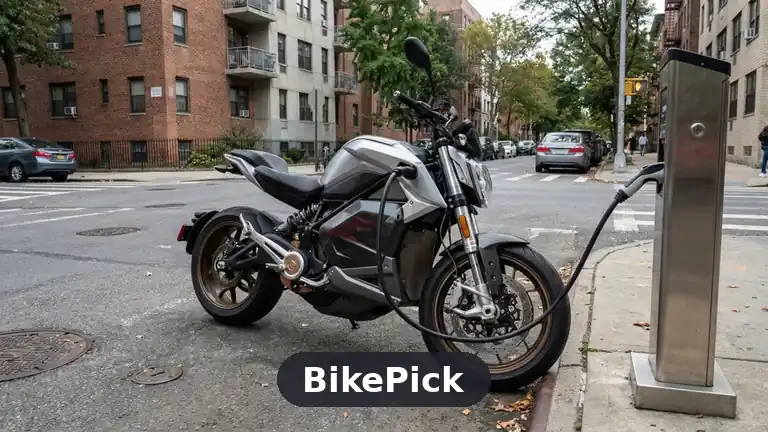
Public charging is a different story. Fast chargers can add a useful amount of range in under an hour on bikes that support them, but not every electric motorcycle supports fast charging, and public chargers for motorcycles are still less common than those for cars. Some are designed for cars, with cables and parking bays that are awkward for a bike. Before relying on public charging, check what chargers exist on your regular routes and whether the bike you are considering can actually use them.
Electric Motorcycle vs Electric Scooter
Electric motorcycles and electric scooters serve different riders, even though both run on batteries. An electric motorcycle looks and rides like a conventional motorcycle, with a manual or automatic gearbox depending on the model, a larger frame, and higher top speeds. It suits riders who want a proper motorcycle experience, including longer trips and higher-speed roads.
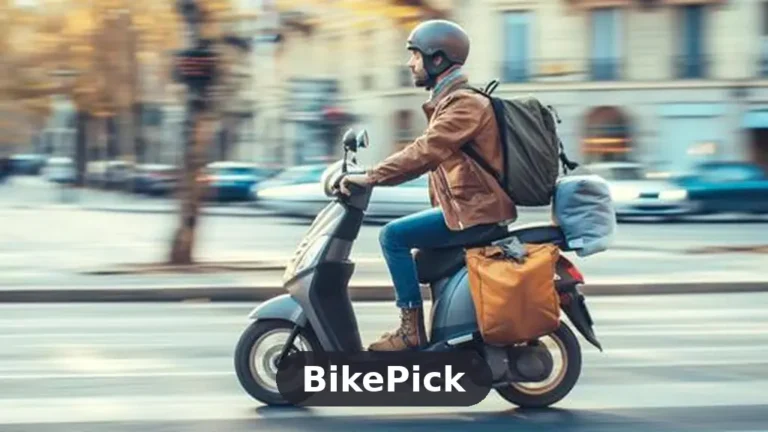
An electric scooter is built for the city. It has step-through or low-frame design, automatic twist-and-go riding, storage under the seat, and a lower top speed. It is easier to ride in traffic, easier to park, and usually cheaper to buy and insure. For a short daily commute through town, a scooter is often the more practical choice. For mixed riding that includes faster roads, a motorcycle makes more sense.
The choice also affects licencing and training in many markets, since power output determines what you are allowed to ride. Check the rules where you live before choosing, and read our guide to motorcycle licence and training basics for new riders so you know which category an electric bike falls into.
Who Electric Riding Suits Best
Electric bikes suit riders with a predictable routine. If your daily ride is a fixed distance, you have somewhere to charge at home or at work, and you rarely need to ride much further than that distance without warning, electric power will feel easy and cheap. Commuters, city riders, and second-bike owners who use the bike for short trips are the natural audience.
Electric also suits riders who value low maintenance. There is no oil to change, no chain to lube on many models, no clutch to wear, and far fewer moving parts than a petrol engine. Servicing is simpler, and running costs per kilometre are low. If you dislike mechanical chores, that simplicity is a genuine benefit.
Who Should Think Twice
Electric is a harder sell if you have no home charging and no removable battery. Relying entirely on public chargers adds time and uncertainty to every week, and it removes the main convenience advantage of owning an electric bike. If you park on the street and cannot charge at work, think carefully before committing.
Long-distance tourers should also pause. Even a large electric motorcycle will need charging stops far more often than a petrol bike needs fuel stops, and charging takes longer. If your idea of a good weekend is a long ride into areas with few chargers, a petrol bike is still the simpler tool. The same applies if you often ride in very cold weather, where range drops noticeably.
Costs and Maintenance Compared With Petrol
The purchase price of an electric motorcycle is often higher than a comparable petrol bike, though electric scooters can be competitive. The running costs are where electric wins. Electricity costs less per kilometre than petrol in most markets, servicing is cheaper, and there are fewer parts to wear out. Over several years of regular use, the total cost can work out well, but the saving depends on how much you ride. A rider who covers high mileage will save more than one who rides occasionally.
Insurance costs vary by market and by model, so do not assume electric is automatically cheaper to insure. Some insurers price electric bikes higher because repair costs and battery replacement are expensive. Get a quote before you buy, and read our guide to motorcycle insurance basics so you know what to ask for.
A Practical Checklist Before You Buy Electric
Use this checklist to test whether an electric bike fits your life. Be honest with the answers, because the wrong answer on charging or range will cost you every week.
Checklist: Can you charge at home or at work every night, or does the bike have a removable battery you can charge indoors. Does 70 percent of the claimed range cover your longest regular trip. Is there a fast charger on any route you ride often. Does the battery warranty cover at least several years. Have you had an insurance quote for this exact model. Have you test ridden it at the speeds you actually ride.
If you can tick most of those boxes, an electric motorcycle or scooter is a realistic choice. If charging is uncertain and your trips are long and unpredictable, a petrol bike will serve you better for now. Electric technology improves every year, so a bike that does not suit you today may be a good fit in a few years.
Electric riding is not a compromise for everyone. For the right rider, with the right charging setup, it is simply the easier way to ride. The trick is making sure you are that rider before you buy.
How far can an electric motorcycle really go on one charge
Real range is usually lower than the claimed figure, often around 70 to 80 percent of it in everyday riding. Speed, cold weather, hills, rider weight and luggage all reduce range, so judge a bike by the distance it covers at the speeds you actually ride.
Can I charge an electric motorcycle from a normal wall socket
Most electric motorcycles and scooters can charge from a normal socket, but it is slow and best suited to overnight charging. Larger bikes may offer fast charging at public chargers, which adds range much faster, so check both charging times before you buy.
Are electric motorcycles good for beginners
They can be, because many have smooth power delivery and no clutch or gears to manage, which simplifies learning. New riders still need proper training in roadcraft, braking and hazard awareness, and should check which power category their local licence rules allow.