Adventure Motorcycles Beginner Guide to Dual Sport and ADV Bikes
Adventure motorcycles promise freedom: one bike that can take you to work on Monday, down a dirt road on Saturday, and across a country on holiday. That promise is real, but it comes with trade-offs. Adventure bikes are tall, heavy, and more complex than a simple road bike, so choosing the right one matters, especially if you are new to riding off road.
This guide explains the two main kinds of adventure bike, dual sport and ADV, and how they differ in size, weight, and purpose. It also covers the skills, gear, and practical checks that help a beginner start safely. You do not need to be an expert to enjoy adventure riding, but you do need to start with the right bike and the right expectations.
Dual Sport vs ADV: What Is the Difference
Dual sport bikes are light, simple motorcycles built for a mix of road and trail. They usually have a single-cylinder engine, long suspension travel, and a high, narrow seat. They are easy to pick up when they fall, cheap to run, and fun on rough tracks. Their weakness is comfort on long highway rides, where the light weight, small screen, and firm seat become tiring.
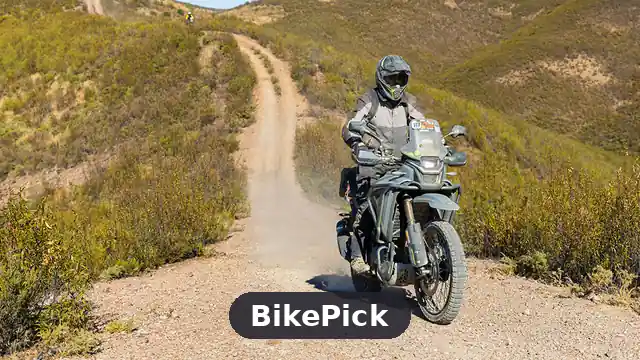
ADV bikes, short for adventure bikes, are larger and more road-focused. They have bigger engines, more comfort, better wind protection, and room for luggage. They can still handle dirt roads and light trails, but their weight makes them harder to manage on rough ground. Think of a dual sport as a trail bike that can use the road, and an ADV bike as a touring bike that can use a dirt road. Our bike types explained guide puts both styles in context with the other main types.
Which Adventure Bike Suits a Beginner
For most beginners, a smaller adventure bike is the smarter choice. A mid-size or small ADV bike is lighter, lower, and easier to handle than a large one, and it still has enough power for highway riding and loaded touring. A large ADV bike can weigh well over 200 kilograms, and that weight is hard to manage at low speed on a loose surface, especially if you are new to off-road riding.
Seat height is a real issue on adventure bikes, because long suspension travel pushes the seat high. Many beginners find a large ADV bike too tall to reach the ground comfortably. A smaller model, or one with a low seat option, solves this without losing the adventure character. Sit on the bike, check your footing, and be honest about whether you can hold it upright on uneven ground. Our guide to tall rider fit and our bike fit guide both help with this check, from opposite ends of the height range.
Riding Off Road for the First Time
Off-road riding uses different skills from road riding, and the learning curve is real. On loose ground, the bike moves around more, braking distances grow, and your balance matters more. The best way to learn is on a light bike, at low speed, on easy ground, with proper instruction if you can get it. A short off-road training course teaches you the basics of standing on the pegs, looking ahead, and controlling the bike with your body, and it is worth the cost.
Start on flat, firm dirt roads before you try sand, mud, or steep hills. Practise stopping, turning, and picking the bike up in a safe place, so you know what to do when it happens for real. Ride with a friend when you go off road, carry a phone, and tell someone where you are going. Adventure riding is safer and more fun with company, and a second pair of hands helps a lot if a bike falls over.
Tyres, Protection, and Luggage for Adventure Riding
Tyres make a bigger difference off road than almost any other change. Road tyres work well on tarmac but struggle on loose ground, while knobbly tyres grip dirt well but wear faster and feel less precise on the road. Most beginners do best with a dual-purpose tyre that handles both reasonably well. Check tyre pressure before an off-road ride, because lower pressure can help grip on soft ground, but remember to pump the tyres back up for the road.
Protection is worth fitting before your first trail ride. Engine guards, hand guards, and a skid plate protect the bike when it falls, which it will. Crash bars protect the tank and fairing, and they are cheaper to replace than bodywork. For luggage, soft bags are popular on adventure bikes because they are light, they do not break in a fall, and they keep the bike narrower than hard panniers. Pack light, keep heavy items low, and secure everything properly.
Costs, Maintenance, and Everyday Use
Adventure bikes cost more to run than a simple road bike, mainly because of tyres, protection, and servicing. Off-road riding wears tyres and chains faster, and dirt gets into places that need cleaning. After a dusty or muddy ride, clean the bike, check the chain, and look for loose bolts. Regular care keeps an adventure bike reliable, and it is part of the hobby rather than a chore.
As a daily bike, an ADV machine works well. The upright position gives a good view in traffic, the suspension handles rough roads easily, and the luggage capacity is useful. The tall seat and weight are the main drawbacks in the city. If your riding is mostly on the road with occasional dirt, a mid-size ADV bike is a good all-rounder. If you ride trails most weekends, a dual sport will serve you better and cost less to drop.
Conclusion
Adventure riding is about freedom, but it rewards a careful start. Choose a dual sport if you want light weight and real trail ability, or a mid-size ADV bike if you want comfort, range, and road manners with dirt-road ability. Learn off-road skills slowly, fit protection before you need it, and ride with others when you leave the tarmac. Start small, build your skill, and the adventure will grow with you.
What is the difference between a dual sport and an ADV bike
A dual sport bike is light and simple, built for a mix of road and trail, with a small engine and long suspension. An ADV bike is larger and more road focused, with a bigger engine, more comfort, and room for luggage. Dual sports suit trails better, while ADV bikes suit long road trips with dirt roads.
Are adventure motorcycles good for beginners
A smaller adventure bike can be a good choice for a beginner, because it is lighter and easier to handle than a large ADV bike. Large adventure bikes are tall and heavy, which makes them hard to manage off road. Start with a mid-size or small model and build your skill before moving up.
Can adventure bikes be used for daily commuting
Yes, adventure bikes work well as daily bikes. The upright position gives a good view in traffic, the suspension handles rough roads, and the luggage capacity is useful. The tall seat and weight are the main drawbacks in the city, so test the bike in traffic before you buy.