Cruiser Motorcycles Are They Good for Beginners
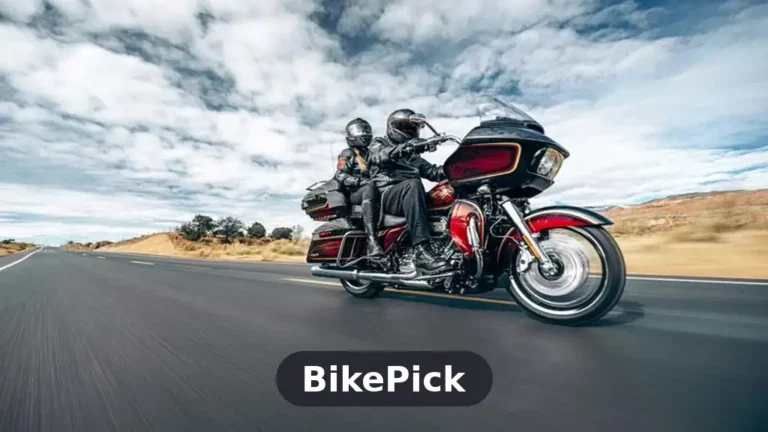
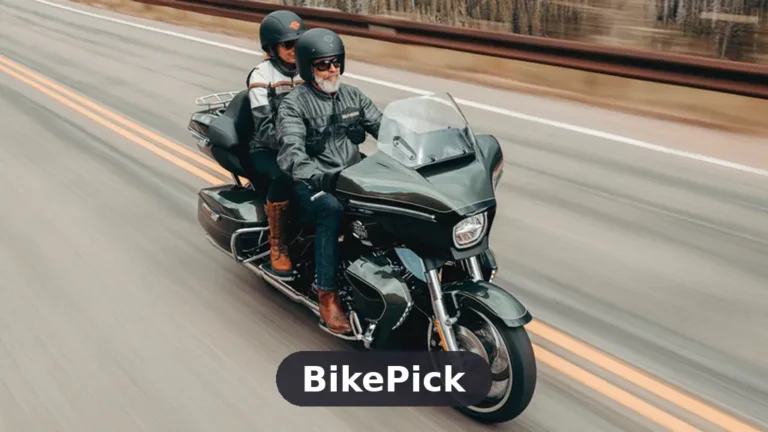
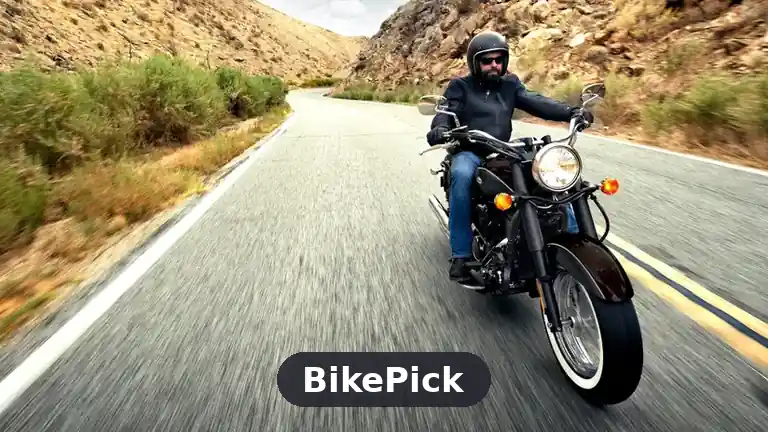
Cruisers have a strong pull for new riders. They look relaxed, they sound good, and they promise an easy, comfortable ride. The low seat is a big part of the appeal, because it lets you put both feet flat on the ground, which feels safe when you are learning. The riding position is upright and unhurried, and the engine delivers smooth, steady power rather than a sudden rush.
But a cruiser is not automatically the best beginner bike. Some cruisers are heavy, some have limited ground clearance, and some have braking and handling that need more care than a light standard bike. The answer depends on which cruiser you choose, how you ride, and what you want from your first bike. This guide weighs the real pros and cons, so you can decide with clear eyes.
Why Cruisers Appeal to New Riders
The low seat is the first advantage, and it is a real one. Many cruisers have seat heights under 750 millimetres, which suits shorter riders and anyone who wants to feel secure at a stop. The low centre of gravity also helps, because the weight sits close to the ground, so the bike feels stable at low speed and easy to hold upright. For a new rider, that confidence matters a lot.
The engine character helps too. Most cruisers have a smooth, torquey engine that pulls cleanly from low revs without needing to be revved hard. That makes them forgiving in traffic, because you can ride in a higher gear and still accelerate smoothly. The relaxed riding position, with feet forward and bars within easy reach, also suits long, easy rides. If you like the style, our short rider guide explains why cruisers often fit shorter legs so well.
Where Cruisers Can Be Tricky for Beginners
Weight is the main drawback. Even a small cruiser is heavier than a comparable standard bike, and a large cruiser can be very heavy indeed. That weight is manageable once you are moving, but it makes low-speed turns, parking, and pushing the bike harder. If you drop a heavy cruiser, picking it up is a real effort. New riders should start at the lighter end of the range and build up to a heavier bike with experience.
Ground clearance is another limit. Cruisers sit low, so the footboards or pegs can scrape on the ground in a tight turn. That is not dangerous in itself, but it can surprise a new rider and it limits how far you can lean. Braking can also feel different, because the long wheelbase and relaxed geometry mean the bike does not stop as sharply as a lighter standard bike. Good training and practice help, but you should know these limits before you buy.
Small vs Large Cruisers for a First Bike
Small cruisers are the best starting point for most new riders. They have the low seat and relaxed style of a cruiser, but in a lighter package that is easier to handle, cheaper to run, and more forgiving when you make a mistake. A small cruiser still has enough power for city riding and for comfortable cruising on open roads, and it is a good bike to learn on.
Large cruisers look tempting, but they are a lot of bike for a beginner. The extra weight, power, and size make every manoeuvre harder, from a slow U-turn to a hill start. Some experienced riders move up to a large cruiser after a year or two and love it, which is the sensible path. If you are set on a larger bike, take proper training first, and be honest about whether you can handle the weight in a car park, not just on the open road. Our engine size guide helps you judge how much power you really need.
Comfort, Handling, and Everyday Riding
On the road, a cruiser is comfortable and easy to live with. The seat is usually wide and well padded, the vibration is low, and the bike tracks straight and steadily. Wind protection is limited on most cruisers, though, so highway riding can be tiring without a screen. If you plan long rides, a screen and a comfortable seat are worth fitting, and a small luggage rack or saddlebags help with carrying gear.
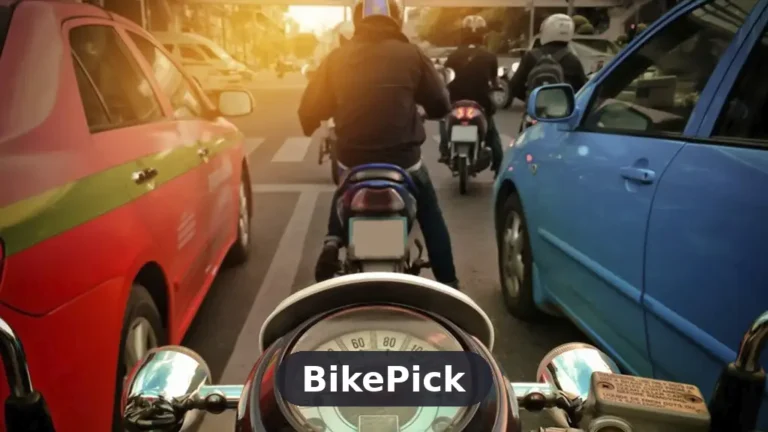
In the city, a cruiser is less nimble than a naked bike. The long wheelbase and wide bars make filtering through traffic slower, and the turning circle is wider. That is fine if your riding is mostly open roads, but it matters if you commute through heavy traffic every day. Think about your real riding before you choose, and test ride in traffic as well as on open roads. Our commuter guide compares what different styles offer for daily riding.
What to Check When Buying Your First Cruiser
When you look at a cruiser, check the fit first. Sit on the bike, put your feet on the controls, and hold the bars. Your arms should be slightly bent, your back should be upright, and you should be able to reach the brake and gear controls without stretching. Check the weight by pushing the bike around a car park, and try a slow turn if the seller allows it. A bike that feels heavy in the car park will feel heavy every day.
Also check the condition if you are buying used. Look at the tyres, the chain or belt, the brakes, and the service history. Cruisers are often well looked after, but a neglected bike can hide expensive problems. Our used buying checklist covers the full inspection, and it is worth following before you hand over any money.
Conclusion
Cruisers can be good beginner bikes, provided you choose a small or mid-size model and respect the weight. The low seat, relaxed engine, and comfortable position make learning easier, while the heavy weight and limited ground clearance are the trade-offs to accept. Start light, take proper training, and ride within your limits. If the cruiser style speaks to you, a well-chosen first cruiser can be a bike you enjoy for years.
Are cruiser motorcycles good for beginners
Yes, a small or mid-size cruiser can be a good beginner bike. The low seat, low centre of gravity, and smooth engine make learning easier. Large heavy cruisers are harder for new riders, so start light and move up with experience.
Are cruisers hard to handle because of their weight
Cruisers are heavier than most standard bikes, and the weight is most noticeable at low speed, in parking, and in slow turns. Once you are moving, the low centre of gravity helps. A lighter cruiser is much easier to handle, which is why beginners should start there.
Do cruisers have good brakes for new riders
Cruisers usually have adequate brakes, but the long wheelbase and relaxed geometry mean they do not stop as sharply as a light standard bike. Look for ABS if you can, practise emergency stops in a safe place, and keep a good following distance in traffic.