Commuter Motorcycles How to Pick a Bike for Daily Riding
A commuter motorcycle has a different job from a weekend toy. It needs to start every morning, sit happily in traffic, carry your work bag, and keep running costs low. It does not need to be the fastest or the flashiest bike on the road. It needs to be the one you actually enjoy riding on a wet Tuesday in February, when the novelty has worn off and the journey is just part of your day.
Choosing well means matching the bike to your real route, not an imagined one. A short city hop calls for a different bike than a long highway commute, and a rider who filters through traffic needs different strengths than one who rides open roads. This guide walks through the practical questions that matter, so you can pick a commuter that works every day, not just on a test ride.
Match the Bike to Your Commute
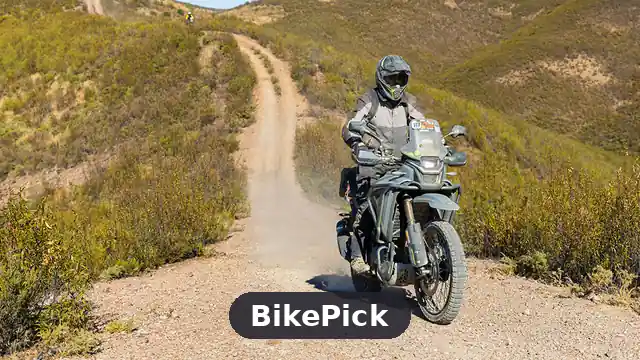
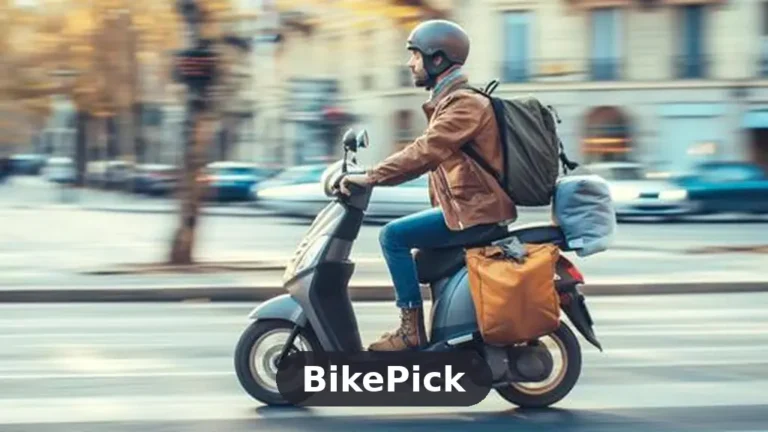
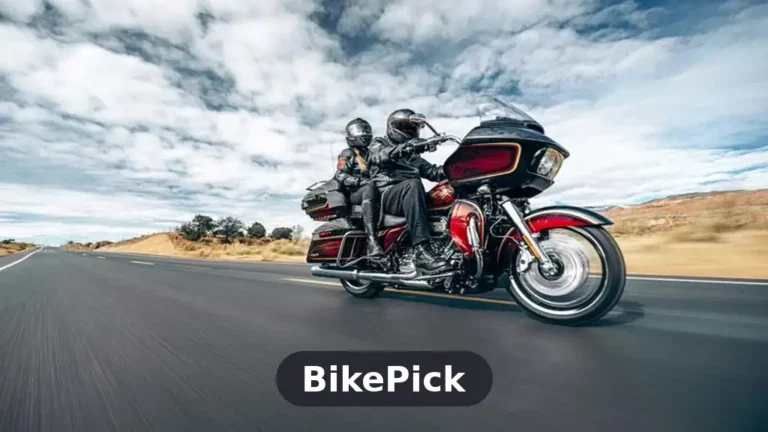
Start by looking honestly at your journey. How far is it, what kind of roads does it use, and how much traffic do you face? A short city commute of a few miles suits a light, nimble bike or a scooter, because you spend most of your time stopping, starting, and turning. A longer commute with highway miles needs more power, better wind protection, and a comfortable seat that stays kind after an hour.
Think about the worst part of your route, not the best part. If there is a steep hill, a stretch of rough road, or a junction where you always queue, the bike needs to handle that comfortably. A bike that is perfect for the open stretch but awkward in the queue will frustrate you daily. Test ride on roads like your commute, not just on a quiet dealer route, and pay attention to low-speed handling and visibility in traffic.
Comfort, Riding Position, and Weather Protection
Comfort is not a luxury on a commuter, it is the difference between riding and driving. An upright riding position with wide bars gives you a good view over traffic and keeps your back relaxed. A seat that is comfortable for ten minutes can still hurt after forty, so sit on the bike for a while and imagine the full journey. Your knees, wrists, and lower back will tell you quickly whether the position works.
Weather protection matters more than most new buyers expect. A small screen takes the wind off your chest on the highway, and hand guards keep cold air and rain off your gloves. Neither turns a bike into a car, but both make winter riding far more bearable. If you ride in all weather, also think about where you will put wet gear at work, and whether the bike has anywhere to fit a top box or panniers for your bag and waterproofs.
Engine Size, Fuel Use, and Running Costs
For commuting, a smaller engine is often the smarter choice. A small to mid-size engine uses less fuel, costs less to insure in many markets, and is lighter and easier to handle in traffic. It still has enough power for city riding and for keeping up with highway traffic, provided you choose a size that suits your route. A very small bike can feel strained on a fast highway, while a large bike wastes fuel and feels heavy in slow traffic.
Running costs add up over a year of daily riding, so look beyond the purchase price. Fuel use, tyre wear, service intervals, and insurance all matter. A bike with long service intervals and common, affordable tyres will cost less to keep than a rare or high-performance model. Our guide to the total cost of owning a motorcycle shows how to add up the full yearly cost before you buy, and our engine size guide helps you pick a size that fits your riding.
Storage, Security, and Practical Features
A commuter needs to carry things. At minimum, you need a secure place for a bag, a lock, and your waterproofs. A top box is the most useful addition for most commuters, because it holds a helmet, a bag, and shopping, and it locks. Panniers add more space but make the bike wider, which matters if you filter through traffic. A tank bag is a cheaper option, but it is less secure when you leave the bike parked.
Security deserves real thought, because commuter bikes spend hours parked in the same place every day. A good disc lock, a chain, and a cover all help, and parking in a visible, well-lit spot matters too. Check whether your workplace has secure parking, and whether your insurance requires a particular lock or alarm. A bike that is easy to steal is a bike you will worry about all day, so build security into your budget from the start.
New or Used, and What to Check Before You Buy
A used bike can be excellent value for commuting, because someone else has already taken the biggest drop in value, and a few scratches matter less on a daily workhorse. The risk is buying a bike with hidden wear, so check the service history, the condition of the chain and tyres, and whether the bike starts easily from cold. Our used motorcycle buying checklist covers the full inspection, and it is worth reading before you view any bike.
A new bike gives you a warranty, known history, and often lower running costs in the first years, but it costs more up front and loses value faster. For a commuter, reliability matters more than having the latest model, so a well-kept used bike from a known brand is often the better buy. Either way, take a test ride that includes your kind of roads, and check that the bike fits you. Our test ride guide explains what to look for on every ride.
Conclusion
The best commuter motorcycle is the one that fits your route, your body, and your budget, and that you will happily ride in all weather. Match the bike to your real journey, choose comfort and low running costs over raw power, and make room for storage and security. Get those basics right, and the daily ride stops being a chore and starts being the best part of the working day.
What is the best type of motorcycle for commuting
It depends on your route. A light naked bike or scooter suits short city rides, while a mid-size standard or adventure bike suits longer rides with highway miles. Choose comfort, good low speed handling, and low running costs over top speed.
What engine size is good for a commuter motorcycle
A small to mid-size engine usually works best for commuting. It uses less fuel, is lighter in traffic, and still has enough power for city and highway riding. Pick a size that can cruise comfortably at the speeds on your route without feeling strained.
Is a scooter better than a motorcycle for commuting
A scooter can be better for short city commutes, because it is easy to ride, has storage under the seat, and needs no gear changes. A motorcycle gives you more choice of size and style, and suits longer or faster routes better. Your route and your comfort matter more than the label.