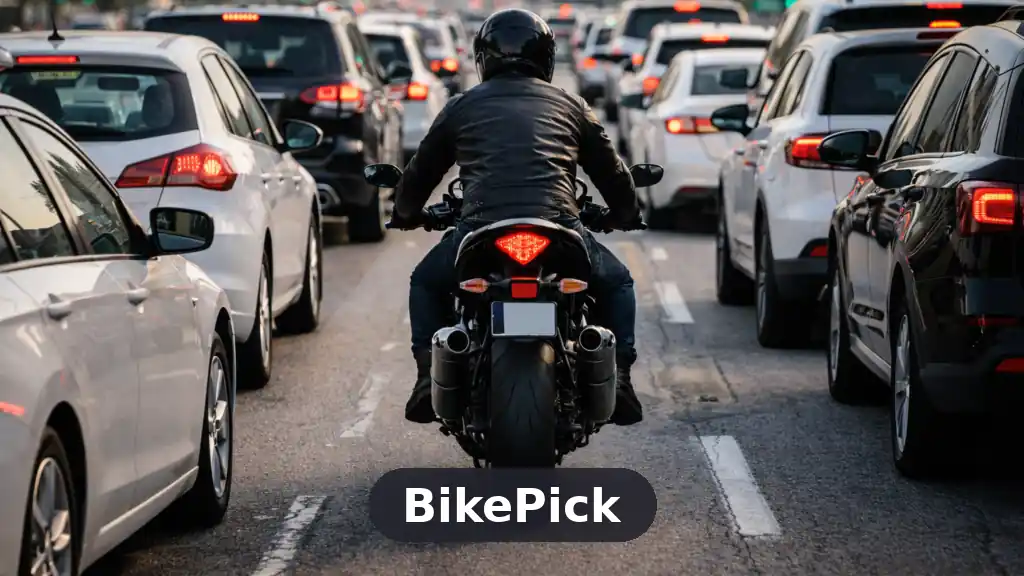
How to Ride Safely in Traffic A Practical Guide for New Riders
Traffic is where most new riders feel the most pressure. On an empty road you have time to think. In traffic, cars change lanes without warning, drivers look at their phones, and junctions arrive faster than you expect. The good news is that safe riding in traffic is mostly a set of habits, not a talent. Once the habits are in place, busy roads become manageable rather than frightening.
This guide covers the practical skills that matter most when you share the road with cars, buses, and trucks. It assumes you can already control your bike and have completed basic rider training. If you have not yet taken a training course, start there. The techniques below build on the foundations that training gives you, and they work best when they become second nature through practice.
Assume You Are Invisible
The single most useful mindset in traffic is to assume that other drivers cannot see you. This sounds pessimistic, but it changes how you ride in useful ways. When you assume you are invisible, you do not trust a driver who appears to be waiting for you. You slow down at junctions even when you have the right of way. You keep a gap that lets you escape. You ride as though every car might pull out.
Motorcycles are small, and the human eye is tuned to look for cars and trucks. A driver glancing at a junction can genuinely look straight at a motorcycle and not register it. This is not usually carelessness. It is how human vision works. Bright clothing and a good headlight help, but they do not solve the problem on their own. Your riding position and your decisions are what keep you safe.
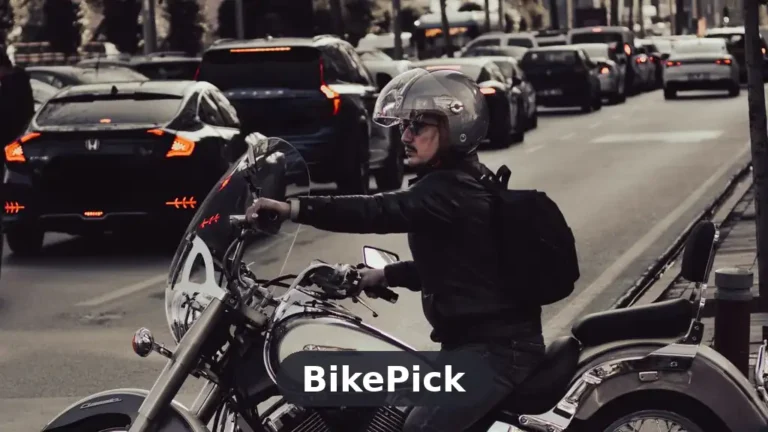
Ride where drivers can see you. That usually means the left or right third of your lane rather than the centre, where you are hidden behind the car ahead and where oil and debris collect. Choose the wheel track that gives you the best view ahead and makes you most visible to the drivers around you. If a car ahead is blocking your view of the road, change your position so you can see past it, or drop back until you can.
Keep a Gap You Can Use
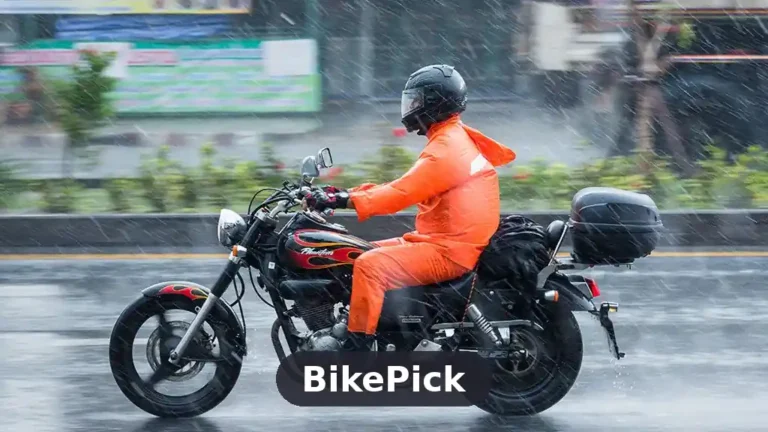
Following distance is your safety margin. In dry conditions, leave at least two seconds between you and the vehicle ahead. In wet conditions or poor visibility, double that. The gap gives you time to react and space to stop. It also gives the driver behind you a little more room, which matters because a car that hits you from behind is a real risk in slow traffic.
A gap is only useful if you protect it. Cars will move into it, especially in slow traffic. Let them. A driver taking your space is annoying, but it is not dangerous if you simply drop back and rebuild the gap. Chasing the car ahead to close the gap is the dangerous choice. It removes your stopping distance and puts you in the worst possible position if the car ahead brakes hard.
Handle Junctions With Care
Junctions are where most collisions between motorcycles and cars happen. A driver turning across your path is the classic danger, and it is the one new riders should prepare for most carefully. As you approach any junction, cover your brakes, reduce your speed slightly, and look for signs that a driver is about to move. Wheels turning, a driver looking the wrong way, or a car creeping forward are all warnings.
At a junction where a car is waiting to turn across your lane, do not assume the driver has seen you. Slow down, move slightly to the side of your lane that gives you the most space from the turning car, and be ready to stop or swerve. If you have any doubt about what the driver will do, slow down more. Arriving a few seconds later is always better than arriving at a collision.
Lane Position and Overtaking
Your position in the lane is a tool. Use it to stay visible, to see further ahead, and to keep an escape route open. When you are next to a line of parked cars, move to the outside of your lane so a door opening in front of you is less of a threat. When a large vehicle is beside you, move away from it and, if you can, get past it or drop back so you are not riding in its blind spot.
Blind spots are a real problem for motorcycles because a bike fits entirely inside the area a driver cannot see in their mirrors. Never linger beside a car or truck. If you are passing, pass decisively and then move ahead. If you are being passed, hold a steady line and let the other vehicle get clear of you before you change position.
Overtaking needs planning. Before you pull out, check your mirrors, check your blind spot, and make sure you have enough road ahead to complete the move. Signal clearly and accelerate smoothly past. Do not overtake on a bend, near a junction, or where your view ahead is limited. If you are not sure you can complete the overtake safely, wait. There is always another chance.
Deal With Distracted Drivers
Distracted driving is now one of the biggest hazards on the road. Drivers check phones, adjust navigation, and eat while they drive. You cannot stop them, but you can spot the signs. A car that drifts within its lane, brakes late, or moves at an inconsistent speed often has a distracted driver. Give those cars extra space and get past them or drop back.
Your horn is a tool, not an expression of frustration. A short blast can alert a driver who is about to move into your path. Use it early, while there is still time for the driver to react. If you wait until the driver is already moving, the horn will not help. Your brakes and your escape route are what matter then.
Build a Traffic Routine
Safe riding in traffic comes from a routine you repeat on every ride. Before you set off, check your bike, your tyres, and your lights. On the road, scan constantly: mirrors, road surface, junctions, and the behaviour of the vehicles around you. After every ride, think about one thing that went well and one thing you could do better next time.
Start with quieter routes and build up to busier roads as your confidence grows. There is no need to tackle rush hour on your first week of riding. Choose routes with fewer junctions and less traffic while you practise, then add complexity gradually. Confidence built this way lasts, because it is based on real experience rather than luck.
Your Traffic Safety Checklist
Use this checklist before and during every ride in traffic. It takes a few seconds to run through, and it covers the habits that make the biggest difference.
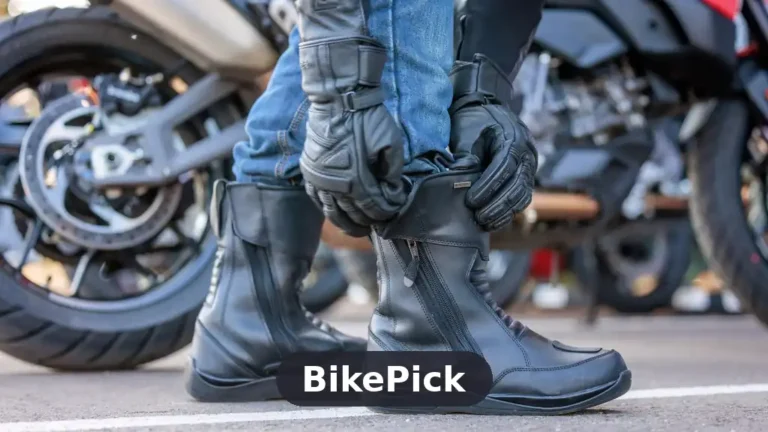
Check your lights, indicators, and horn before you leave. Wear bright or reflective gear so you are easier to spot. Keep at least a two second gap to the vehicle ahead, more in the wet. Scan ahead to the second and third vehicles in front of you, not just the one directly ahead. Cover your brakes as you approach every junction and roundabout. Never sit in a blind spot, and pass other vehicles decisively. Signal every move clearly and in good time.
Traffic riding is a skill that improves with every ride. The habits in this guide will feel deliberate at first, and then they will become automatic. When scanning, spacing, and positioning happen without conscious effort, you have more attention left for the unexpected, and that is what keeps you safe.
Ride defensively, ride predictably, and within your limits. Traffic rewards the calm rider, and calm comes from preparation. For the foundations, read our guide to motorcycle safety basics and our safety gear checklist for every ride. Get the habits right, practise them on every ride, and busy roads will stop feeling like something to survive and start feeling like something you can handle.
What is the most important skill for riding safely in traffic?
Staying visible and keeping a safe gap are the two skills that matter most. Ride in a lane position where drivers can see you, keep at least a two second gap to the vehicle ahead, and scan well ahead so you spot trouble early. These habits prevent more problems than any single technique.
How do I stay safe at junctions on a motorcycle?
Slow down as you approach every junction, cover your brakes, and watch for cars that might turn across your path. Never assume a waiting driver has seen you. If you have any doubt about what a driver will do, slow down further and be ready to stop.
Is it safe to filter through slow traffic on a motorcycle?
Filtering depends on local rules and road conditions, so check what is allowed where you ride. Where it is permitted, filter only at low speed, watch for cars changing lanes or turning, and never filter near a junction or a pedestrian crossing. If you are unsure, stay in your lane.
What should I do if a car pulls out in front of me?
Brake firmly and smoothly, and steer toward the escape route you have already identified. Avoid swerving suddenly at high speed, as that can cause a loss of control. Practising emergency braking in a safe place helps you react calmly when it happens for real.