Motorcycle Gloves and Boots What to Look for and Why They Matter
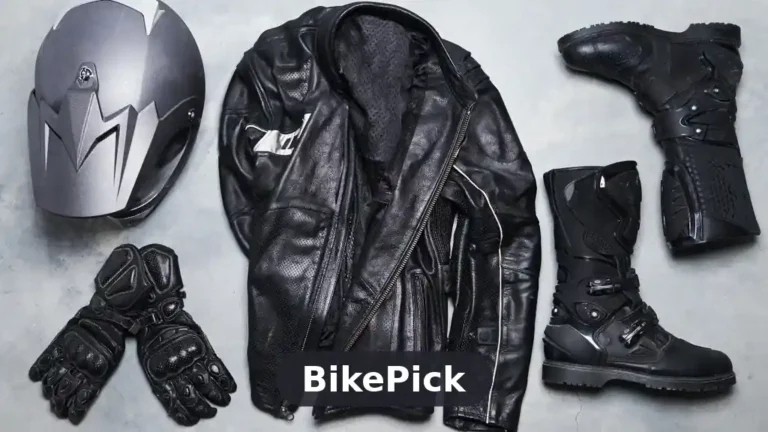
Gloves and boots are the pieces of gear most riders think about last, and they are the pieces that protect the parts of you most likely to touch the ground first. In a fall, your hands go out instinctively, and your feet and ankles take force from the bike and the road. Ordinary gloves and shoes offer almost no protection in those moments. Proper riding gloves and boots are built for exactly that job.
This guide explains what makes a good riding glove and a good riding boot, how they should fit, and what to look for when you are choosing your first pair or replacing a worn out one.
Why Riding Gloves Matter
Your hands control the bike. They work the throttle, the clutch, the brake, and the switches, and they need to feel what they are doing. A good riding glove protects your hands without taking that feeling away. It guards against abrasion in a slide, impact on the knuckles and palms, and weather that would leave bare hands cold, wet, and stiff.
Look for gloves made from leather or a tough textile, with reinforcement on the palm and protection over the knuckles. Palm sliders, small hard or tough panels on the palm, are worth having, because they help your hand slide rather than grip the road in a fall, which reduces the risk of a wrist injury. A wrist strap or closure keeps the glove from being pulled off, which is essential.
Short gloves are fine for warm weather and city riding, but they leave your wrist exposed. Gauntlet gloves, which extend over the wrist and under the jacket cuff, offer more protection and better weather sealing. If you ride at speed or in mixed weather, gauntlets are the better choice. For more on building a complete gear setup, see our essential riding gear guide.
Choosing Gloves for Summer, Winter and Rain
No single glove works perfectly in every season. Summer gloves are light, vented, and flexible, and they give you the best feel for the controls. They offer less insulation and less weather protection, but they keep your hands cool and comfortable in heat. Look for ventilation panels and a light lining, and check that the glove still has palm and knuckle protection.
Winter gloves are insulated and often waterproof, with a longer cuff to seal out cold air. They are bulkier, which reduces feel for the controls, but warm hands are safer hands. Cold, stiff fingers react slowly and make mistakes. If you ride through winter, invest in a proper pair of winter gloves rather than layering thin gloves that were never designed for riding.
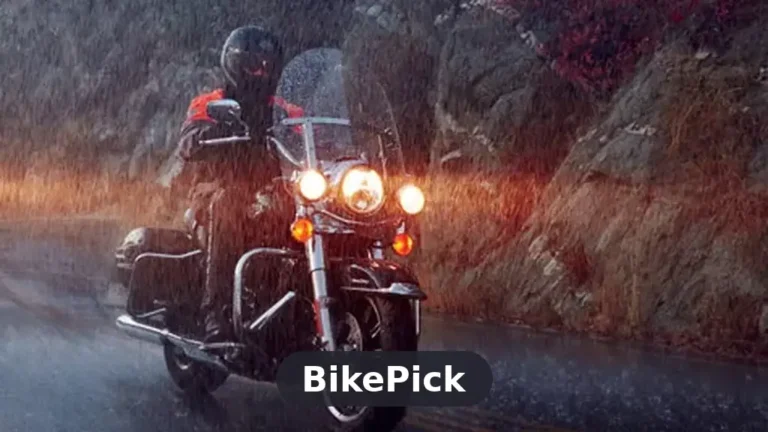
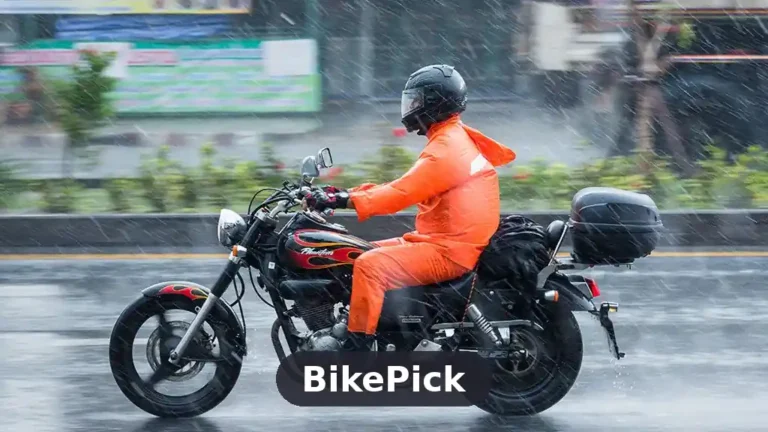
Waterproof gloves use a membrane to keep rain out, but no glove stays dry forever in heavy rain. A waterproof glove will keep you comfortable far longer than a non waterproof one, and it is worth having if you ride in wet weather regularly. Check whether the membrane is described as waterproof or merely water resistant, and remember that a wet outer glove can still feel cold even when the inside stays dry.
How Riding Gloves Should Fit
Gloves should fit snugly, with no loose material at the fingertips and no tight spots across the knuckles. Make a fist. The glove should move with your hand without pulling or pinching. Hold an imaginary throttle and brake lever. You should be able to feel the controls clearly and work them without the glove bunching up.
Try gloves on with your jacket, and check that the cuff fits under or over the jacket sleeve cleanly. A gap between glove and jacket lets in wind and rain, and it leaves your wrist exposed in a slide. Try both hands, because hands are rarely the same size, and buy for the larger hand if you are between sizes.
Gloves break in slightly with wear, especially leather, but a glove that is painful or restricts your fingers in the shop will not improve enough to fix the problem. If it does not feel right, try another size or another brand. Hand shapes differ, and the right glove for you is the one that fits your hand, not the one that fits the display.
Why Riding Boots Matter
Your feet and ankles are vulnerable on a bike. They sit close to hot exhausts, moving parts, and the road, and in a fall they can be trapped under the bike or twisted badly. Ordinary shoes, trainers, and fashion boots offer almost no protection against those forces. Riding boots are built with reinforced toes, ankle protection, and a stiff sole that resists twisting.
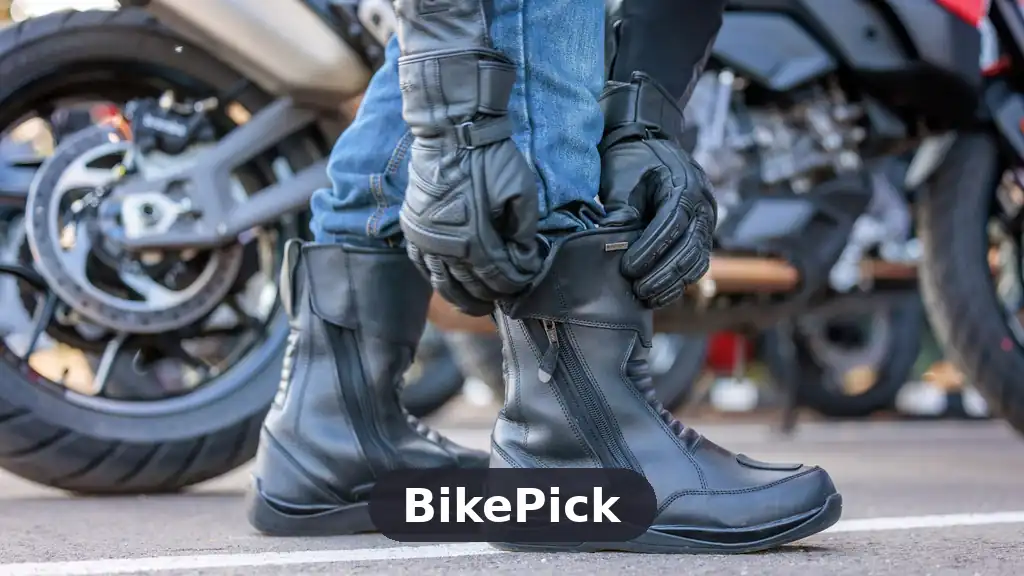
Look for boots with protection at the ankle, the heel, and the toe, and a sole that grips well on wet surfaces. A boot that covers the ankle fully is the minimum for road riding. Short boots are more convenient for commuting and walking, and they are a big improvement over trainers, but a taller boot protects more of your lower leg and is the better choice for longer or faster riding.
Waterproof boots are worth considering if you ride in rain. Wet feet become cold feet, and cold feet become a distraction. A waterproof membrane keeps the rain out, and a good boot will still breathe enough to stay comfortable. Check that the boot is described as waterproof, not just water resistant, if rain riding is a regular part of your life.
Choosing the Right Boots for Your Riding
Touring and commuter boots prioritise comfort, weather protection, and ease of walking. They are usually waterproof, with a comfortable sole and a closure that is easy to use with gloves on. They are a good first boot for most riders, and they work well on and off the bike.
Sports boots offer more protection, with rigid ankle support, toe sliders, and a stiffer structure. They are less comfortable to walk in, but they are built for higher speeds and harder riding. If you ride a sports bike or enjoy fast roads, they are worth considering.
Adventure boots sit between the two. They are tall, tough, and waterproof, built for long days on and off road. They are heavier than touring boots, but they protect well and cope with mud, water, and rough ground. If you ride an adventure bike, they are the natural match.
Whatever style you choose, make sure the boot works with your bike. The toe should fit under the gear lever easily, and the sole should grip the footpeg without slipping. Try the boots on with your riding trousers, and sit on a bike if you can. A boot that feels fine standing up can feel very different when you are changing gear. Our motorcycle jacket buying guide covers the layer above, so your gear works as a set.
Gloves and Boots Checklist
Use this checklist when you shop. For gloves: one, tough material with palm reinforcement and knuckle protection. Two, a wrist closure that keeps the glove on. Three, a snug fit with no loose fingertips and full feel for the controls. Four, weather protection that matches the riding you do. For boots: one, full ankle coverage with protection at ankle, heel, and toe. Two, a stiff sole that resists twisting and grips well. Three, a fit that works with your gear lever and footpeg. Four, waterproofing if you ride in rain.
Replace gloves and boots when they wear out. Worn palms, torn stitching, cracked protection, and soles with no grip are all signs that the gear has done its job and needs replacing. Do not wait for a crash to find out that your gloves or boots are no longer up to the task. Check them before every ride with our motorcycle safety gear checklist, and replace them when they show real wear.
Gloves and boots are not glamorous purchases, but they protect the parts of you that work hardest on the bike and hit the ground first in a fall. Buy good ones, make sure they fit, and wear them on every ride, even the short ones. Most falls happen close to home, on familiar roads, at low speed. The gear that saves your hands and feet is the gear you are wearing, not the gear you left at home.
Do I really need motorcycle boots or are sturdy shoes enough
Sturdy shoes are not enough. Riding boots have reinforced toes, ankle protection, and a stiff sole that resists twisting, which ordinary shoes do not offer. In a fall, that protection makes a real difference to your feet and ankles.
Should motorcycle gloves be tight or loose
They should fit snugly, with no loose material at the fingertips and no tight spots across the knuckles. You should be able to make a fist and feel the controls clearly. If a glove restricts your fingers in the shop, it will not improve enough with wear.
Are waterproof motorcycle gloves worth it
Yes, if you ride in rain regularly. A waterproof membrane keeps your hands dry and warm far longer than a non waterproof glove, and warm hands react faster and make fewer mistakes. No glove stays dry forever in very heavy rain.