Touring Motorcycles What to Look for on Long Rides
Touring is the most demanding kind of riding, because small discomforts grow over hours. A seat that feels fine for thirty minutes can hurt after three hours. Wind that is fun at town speeds becomes tiring at highway speeds. A bike that is perfect for a short ride can still be the wrong bike for a long one, and you only find out when you are far from home.
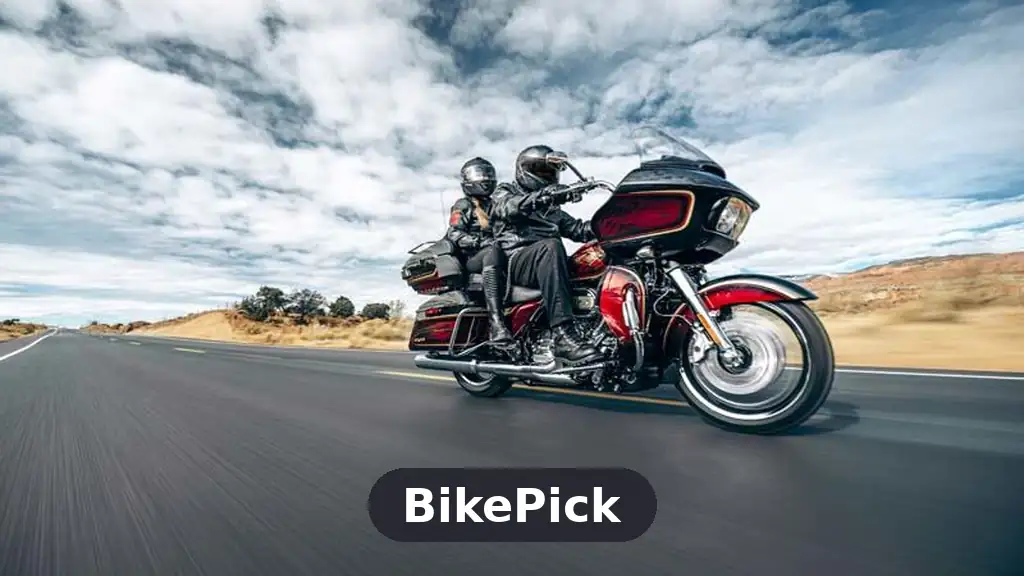
A good touring motorcycle is built around comfort, range, and the ability to carry luggage without spoiling the handling. It does not have to be the biggest or most expensive bike on the market. It has to let you ride all day, stop for fuel without worry, and arrive feeling fresh enough to enjoy the evening. This guide covers the features that matter most.
Comfort Is the First Touring Priority
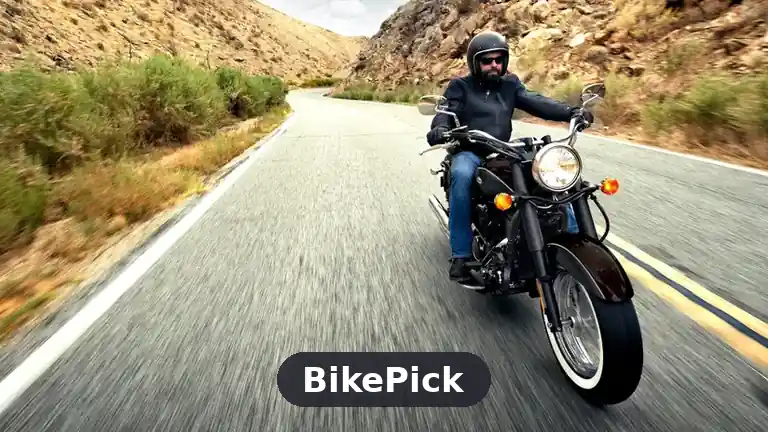
Comfort starts with the riding position. A touring bike should let you sit upright with a relaxed reach to the bars, your knees at a gentle bend, and your weight spread evenly across the seat. If you lean forward heavily or your wrists carry your weight, you will feel it within an hour. A wide, supportive seat matters too, because a narrow seat concentrates pressure in one place and causes soreness on long days.
Wind protection is part of comfort as well. A fairing or an adjustable screen takes the wind off your chest and helmet, which reduces tiredness and noise on the highway. The best screens are adjustable, so you can raise them on a fast road and lower them on a hot day. Test this on a test ride at highway speed if you can, because wind noise and buffeting are hard to judge from a showroom. Our guide to seat height and bike fit helps you check the riding position before you buy.
Engine, Range, and Highway Performance
A touring bike needs an engine that cruises easily at highway speed without feeling strained. That usually means a mid-size or larger engine with smooth power delivery and low vibration. A bike that is working hard all day will tire you out and use more fuel, while a relaxed engine feels calm and lasts longer. Smoothness matters more than peak power, because you will spend hours at a steady speed.
Fuel range is just as important. A bike that needs fuel every 150 kilometres forces you to plan every stop and adds stress in remote areas. A larger tank and sensible fuel use give you a comfortable margin, so you can choose when to stop rather than being forced to. Check the real-world range, not just the tank size, because fuel use varies with speed, load, and wind. Carry a little extra margin on unfamiliar routes, and know where fuel stops are before you set out.
Luggage, Storage, and Carrying Capacity
Touring means carrying luggage, and how a bike carries it matters. Hard panniers and a top box are the most practical option, because they lock, keep rain out, and hold their shape at speed. Soft luggage is lighter and cheaper, but it can move around and is harder to secure. Whichever you choose, the luggage should sit low and close to the bike, so it does not spoil the handling or catch the wind.
Check the weight limit for the bike and for the luggage system, and remember that a passenger and luggage together add a lot of weight. Overloading a bike harms braking, handling, and tyre life, so pack light and use the space well. A tank bag is useful for items you need often, like a phone, a map, or a water bottle, but keep it small so it does not block the bars or the instruments. If you ride two-up often, our guide to bikes by use case explains what to look for in a two-up tourer.
Technology and Rider Aids That Help on Long Rides
Modern touring bikes offer rider aids that genuinely help on long rides. Cruise control is the most useful, because it lets you rest your right hand and hold a steady speed on a long highway. Heated grips and a heated seat make cold mornings far more comfortable. ABS is worth having on any touring bike, because it helps you stop safely in the wet or on a loose surface when you are tired.
Other features are nice to have but not essential. A good navigation mount, a USB charging point, and a clear instrument display all help on a long trip. Traction control adds safety in the rain, and adjustable suspension lets you set the bike up for a solo ride or a loaded two-up trip. Do not let a long list of gadgets distract you from the basics. Comfort, range, and luggage matter more than any single electronic feature.
Two-Up Touring and Choosing Your First Tourer
If you ride with a passenger, test the bike two-up before you buy. The passenger needs a comfortable seat, sensible foot pegs, and something to hold on to. The bike needs enough power and braking to handle the extra weight safely, and the suspension needs to cope with the load. A bike that is fine solo can feel underpowered and wallowy with a passenger and full luggage, so a two-up test ride is essential.
For a first touring bike, a mid-size adventure or sports tourer is often a better choice than a full-size luxury tourer. It is lighter, easier to handle, cheaper to run, and still comfortable for long days. You can always move to a larger tourer later if you want more comfort and capacity. The best first tourer is the one you will actually ride often, not the one that looks most impressive in a showroom. Our bike types explained guide compares the main touring styles side by side.
Conclusion
The best touring motorcycle is comfortable for hours, relaxed at highway speed, able to travel a useful distance between fuel stops, and able to carry your luggage without spoiling the ride. Prioritise the seat, the wind protection, the range, and the luggage system, and treat gadgets as a bonus. Choose a bike that fits your body and your trips, test it properly, and the long road will feel like the reward it should be.
What makes a motorcycle good for touring
A good tourer is comfortable for hours, with an upright position, a supportive seat, and good wind protection. It cruises easily at highway speed, has a useful fuel range, and can carry luggage without harming the handling. Comfort and range matter more than peak power.
How much fuel range do I need for touring
It depends on where you ride, but a longer range gives you more freedom and less stress. A bike that can cover a good distance between fuel stops lets you choose when to stop, which matters in remote areas. Check real world range, not just tank size, before you buy.
Are adventure bikes good for touring
Yes, many adventure bikes make excellent tourers. They have a comfortable upright position, good suspension, and room for luggage. They also handle rough roads well. A mid-size adventure bike is a popular choice for a first tourer, because it is lighter and easier to handle than a full-size tourer.