Best Bikes by Use Case City Commute Highway Off Road and Two Up Touring
Ask a rider what the best motorcycle is and you will get a different answer every time, because the best bike depends on the job it has to do. A bike that is perfect for a short city commute can feel strained on a long highway tour. A bike that is brilliant off road can feel tall and heavy in town. The smart way to choose is to start with your use case, then find the bikes built for that job.
This guide covers four common use cases: city commuting, highway riding, off road riding, and two up touring with a passenger. For each one we explain what matters most, which bike types usually work best, and what to avoid. If your riding covers more than one case, we also look at how to choose a bike that handles the mix without doing any one job badly.
City commuting: light, narrow and easy to handle
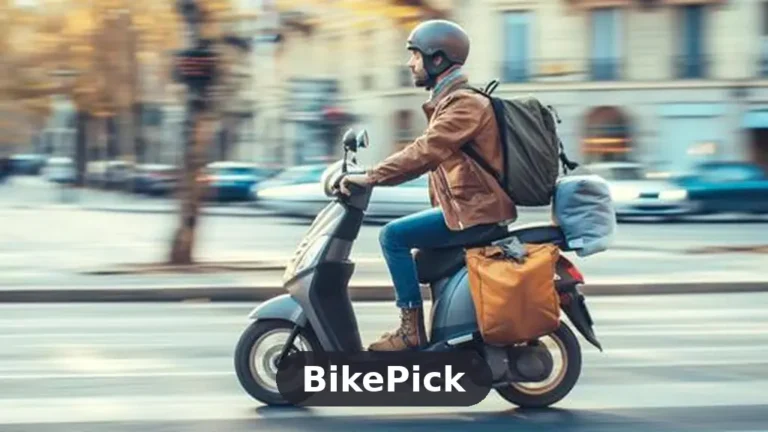
City commuting is about low speed control, visibility and economy. Your bike will spend much of its time at traffic lights, in queues and in tight parking spaces. It needs to be light enough to move easily, narrow enough to fit through gaps where that is legal and safe, and simple enough that you can focus on traffic rather than on managing the bike.
Small to mid sized naked bikes, commuters and scooters are the usual winners here. They have upright riding positions for a clear view over cars, good mirrors, responsive low speed handling and low fuel use. A low seat helps at every stop, and a light weight makes parking and U-turns far less stressful. ABS is a clear plus in town, where sudden stops are common.
What to avoid for city use is a heavy tourer, a tall adventure bike or a sports bike with a committed riding position. All three can be ridden in town, but they make the daily grind harder than it needs to be. If your commute is short, a small bike will save you money and stress. If your commute includes a fast stretch, choose a slightly larger bike that can hold highway speed without strain. Our guide to commuter motorcycles for daily riding explains the daily checks in detail, and our comparison of scooters versus motorcycles can help if you are torn between the two.
Highway riding: stability, wind protection and comfort
Highway riding is about sustained speed, stability and comfort. Your bike needs enough power to cruise at highway speed without working hard, to overtake safely and to handle wind from passing vehicles. It also needs a riding position and seat that stay comfortable after an hour or more, and wind protection that reduces fatigue rather than adding buffeting.
What to avoid is a very small, light bike with no wind protection if you ride on highways every day. It can do the job, but you will feel more wind, more vibration and more effort at sustained speed, and overtaking will need more planning. If highway riding is only occasional, a versatile mid sized bike with a small screen is often a better compromise than a full tourer. For more on long distance comfort, see our guide to touring motorcycles for long rides.
Off road riding: ground clearance, weight and control
Off road riding is the most demanding use case for both bike and rider. The surface is loose, uneven and unpredictable. Your bike needs ground clearance to avoid hitting rocks and ruts, long travel suspension to absorb bumps, tyres that grip dirt and gravel, and a weight you can manage when the bike slides or tips over. A light bike is far easier to pick up and control off road than a heavy one.
Light dual sport bikes are the best starting point for new off road riders. They are simple, light and forgiving, and they teach the balance and throttle control that off road riding demands. Larger adventure bikes can handle light gravel and dirt roads well, but they are heavy and tall, so they are harder work on rough trails and much harder to pick up after a fall. A full off road bike is brilliant on trails but is not built for long road rides.
Tyres matter as much as the bike itself. A road tyre will struggle on loose dirt, while a knobbly tyre will feel vague and wear quickly on paved roads. Choose tyres for the surface you ride most, and learn the basics of standing on the pegs, looking ahead and using smooth throttle and brake inputs off road. Our beginner guide to adventure and dual sport bikes explains the difference between light dual sport bikes and large adventure tourers, and which one suits a new off road rider.
Two up touring: comfort for two and capacity for luggage
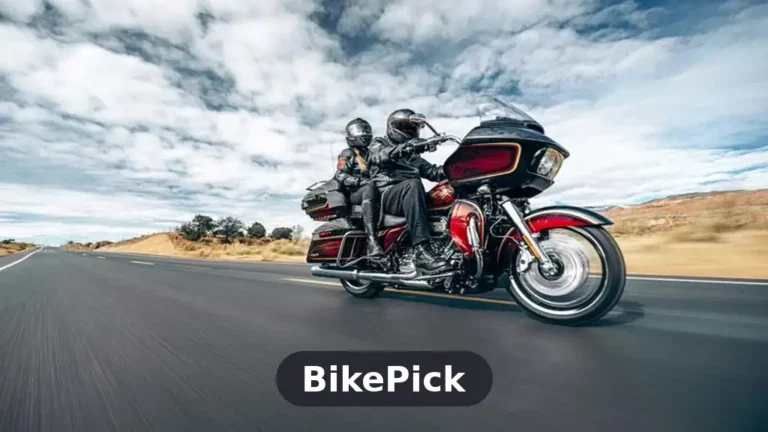
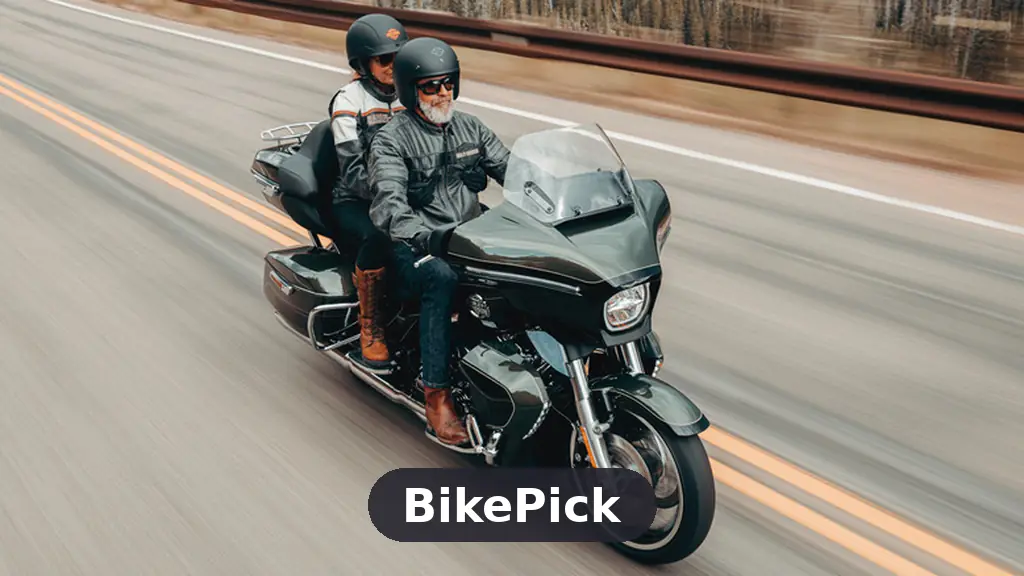
Two up touring, riding with a passenger, changes the bike you need. The bike must carry two people plus luggage without feeling overloaded, with a comfortable passenger seat, sensible foot pegs, grab handles or a top box to hold on to, and suspension that can be adjusted for the extra weight. The engine needs enough torque to pull away smoothly and overtake safely with a full load.
Tourers and larger adventure bikes are the natural choices here. They are built for two up riding, with wide seats, good wind protection and luggage capacity. Some mid sized bikes can also work for shorter two up trips, especially if the passenger is light and the luggage is minimal, but they will feel more strained on long days and steep roads.
Test ride two up before you buy if you can, with your regular passenger. A bike that feels fine solo can feel very different with extra weight on the back, in braking, steering and suspension. Check that your passenger can mount easily, sit comfortably for an hour, and reach the pegs without strain. Comfort for the passenger matters as much as comfort for the rider, because an uncomfortable passenger will cut your tours short.
When your riding covers more than one use case
Be honest about how often you really do each type of riding. If off road riding is a once a year idea rather than a weekly habit, do not choose a tall, heavy adventure bike for it at the expense of your daily commute. If two up touring is a dream for next year, do not buy a large tourer now if it makes your daily ride a chore. Buy for the riding you do now, and change bikes later if your riding changes. Our overview of how to pick your first or next motorcycle walks through this decision step by step.
Use case comparison at a glance
Write down your own mix before you shop, with a rough share of miles for each use case. Take that note to the showroom and ask the dealer to suggest bikes for that mix, not just for the most exciting part of it. A good dealer will respect a clear brief and will not push you towards a bike built for a different job.
Conclusion
The best bike by use case is the one that makes your most common riding easy and your occasional riding possible. Define your main use, choose a type built for it, and test the bike on the roads you actually use. A bike chosen for a real job will serve you far better than a bike chosen for an imagined one, and it will still be enjoyable when you take it outside its comfort zone from time to time.
What is the best motorcycle for city commuting
A light, narrow bike with an upright position and low running costs is usually best for city commuting. Small to mid sized naked bikes, commuters and scooters are all strong choices. Look for a low seat, good low speed handling and ABS, and avoid heavy tourers or tall bikes that make daily traffic harder than it needs to be.
Can a small motorcycle handle highway riding
A small motorcycle can handle highway riding for short stretches, but it will feel busy and exposed at sustained speed, with more wind and vibration. If you ride on highways regularly, a mid sized or larger bike with a screen, stable handling and enough power to overtake safely will be more comfortable and less tiring.
What bike is best for off road riding as a beginner
A light dual sport bike is usually the best starting point for a beginner off road rider. It is easy to handle, easy to pick up after a fall, and it teaches balance and throttle control. A large adventure bike can handle light gravel roads, but it is heavy and tall, so it is harder work on rough trails.
What do I need for two up touring with a passenger
You need a bike with a comfortable passenger seat, sensible foot pegs and grab handles, enough torque to carry two people plus luggage, and suspension that can be adjusted for the extra weight. Tourers and larger adventure bikes are built for this. Test ride two up before you buy, with your regular passenger, to check comfort and handling.