Commuter Touring Sports Cruiser and Adventure Bike Types Explained
Walk into a large motorcycle showroom and the choice can feel overwhelming. Naked bikes sit next to cruisers, sports bikes next to adventure bikes, and tourers next to small commuters. They all have two wheels and an engine, but they are built for very different jobs. Understanding the main bike types is the fastest way to narrow your search, because the right type will make your daily riding easier and more enjoyable, while the wrong type will fight you on every trip.
This guide explains the five most common types in plain language: commuter, touring, sports, cruiser and adventure. For each type we look at what it does well, where it struggles, who it suits and what to watch for before you buy. By the end you should be able to name the one or two types that fit your riding, and ignore the rest with confidence.
Commuter motorcycles: built for daily riding
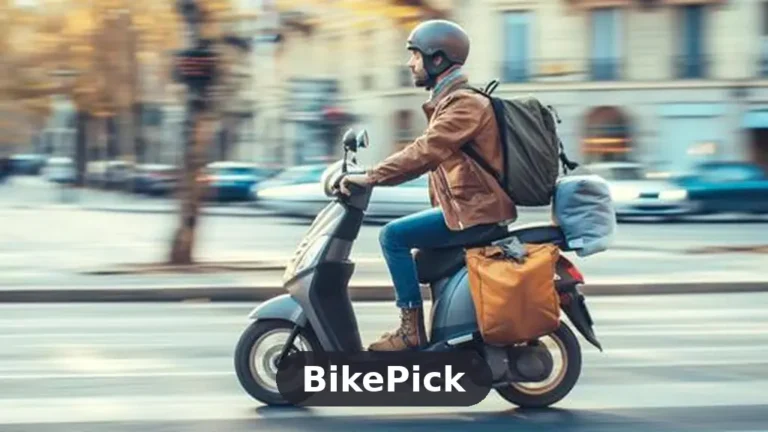
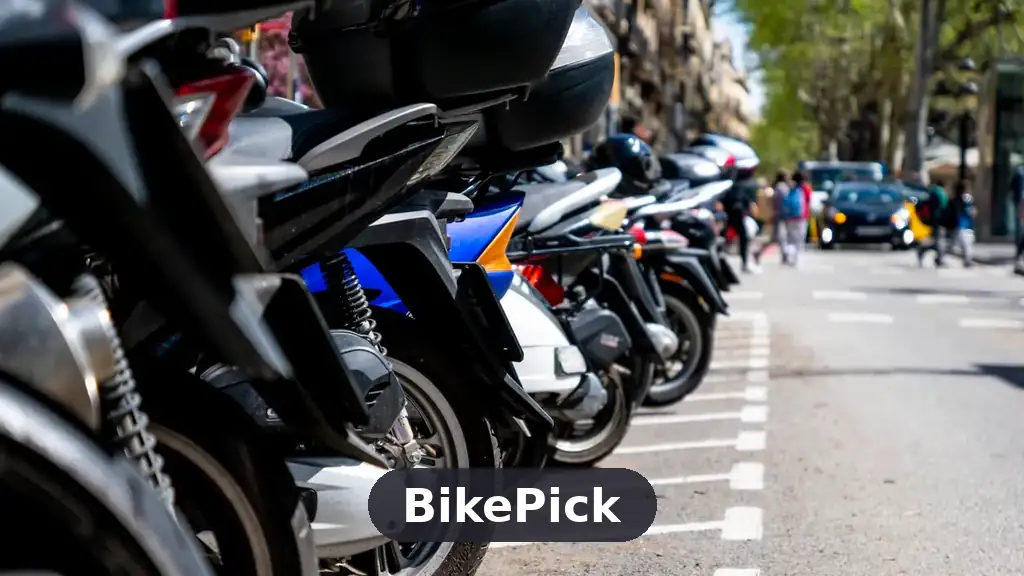
Commuter motorcycles are designed for regular, practical riding, usually in town and on short to medium trips. They are light, narrow, economical and easy to handle in stop and start traffic. Seat heights are usually low or moderate, riding positions are upright, and running costs are low. Many commuters are modest in engine size, which keeps fuel use, insurance and servicing affordable.
A commuter suits you if most of your riding is daily travel to work, study or errands, with occasional shorter weekend rides. If your commute includes a long fast stretch every day, look for a slightly larger commuter or a naked bike with a screen, rather than the smallest model in the range. Our guide to commuter motorcycles for daily riding goes deeper into what to check for a daily bike.
Touring motorcycles: built for long distances
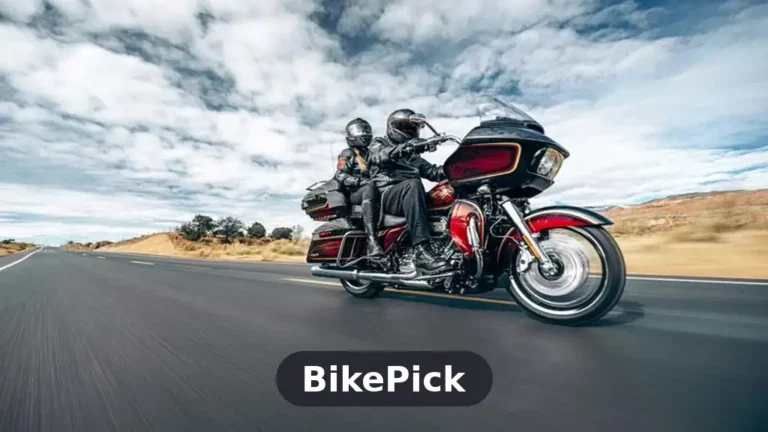
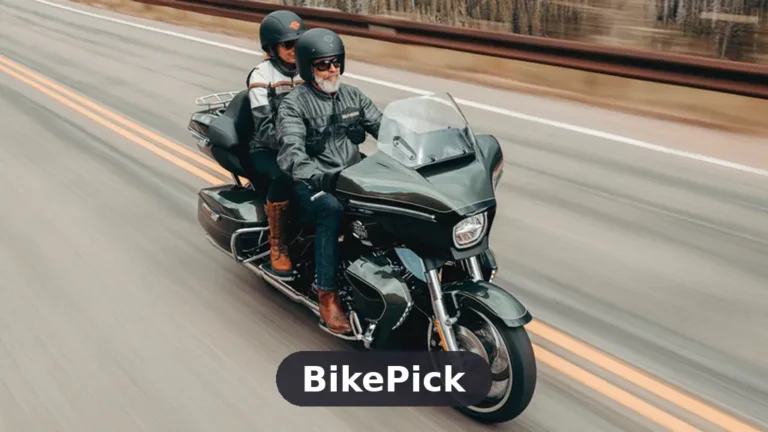
Touring motorcycles are built for distance. They have comfortable seats, relaxed riding positions, large fuel tanks, effective wind protection and luggage capacity, often with panniers and a top box. Many have features that make long days easier, such as cruise control, heated grips, a large screen and a smooth, torquey engine that cruises with little effort.
The benefit is comfort over hours in the saddle. A good tourer lets you ride all day without the aches that a smaller or more committed bike would cause, and it carries a passenger and luggage without feeling strained. The trade off is size and weight. Tourers are heavy, wide and harder to move at low speed, park in tight spaces and manage in town traffic. They also cost more to buy, insure and maintain.
A tourer suits you if long rides are a regular part of your life, especially two up touring with a passenger and luggage. If you only tour once a year, a more versatile bike with added luggage and a screen may be a better compromise than a full tourer that feels cumbersome the rest of the year. Read our guide to touring motorcycles for long rides before you commit to this type.
Sports motorcycles: built for performance and handling
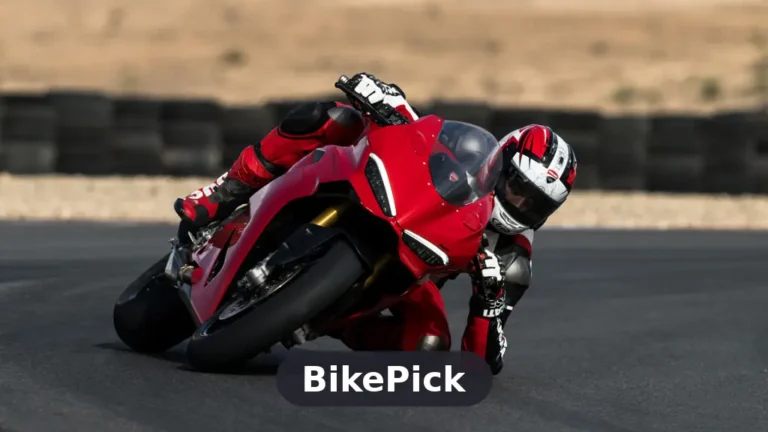
Sports motorcycles are built for speed, sharp handling and strong braking. They have powerful engines, firm suspension, a leaned forward riding position and a full fairing for aerodynamics. On a winding road or a track, a sports bike feels precise and exciting in a way few other types can match. The connection between rider input and bike response is direct and immediate.
The trade off is comfort and forgiveness. The leaned forward position puts weight on your wrists and neck, which can tire you on longer rides. The power delivery is often sharp, the suspension is firm over rough roads, and the bike demands more skill and concentration, especially in wet or slow conditions. Insurance is usually higher, and the riding position makes it harder to see traffic around you in town.
Cruiser motorcycles: relaxed pace and low seats
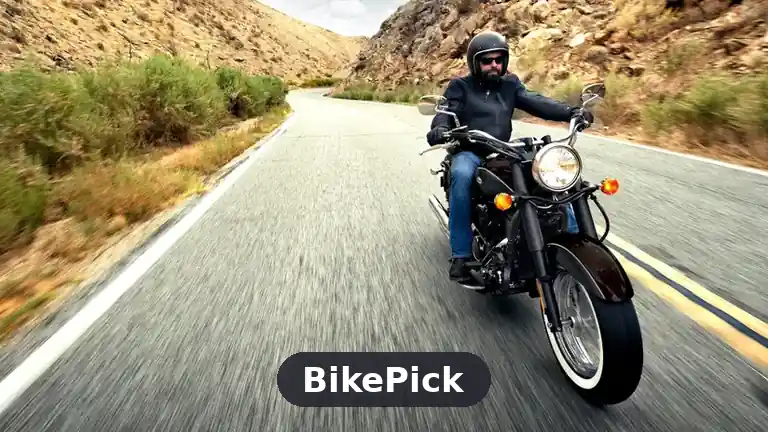
Cruisers are built for a relaxed, low slung riding style. They have low seats, forward foot controls, wide handlebars and a laid back riding position. The engine is usually a large, torquey unit that pulls strongly at low revs without needing to be revved hard. The style is distinctive, and many riders choose a cruiser as much for how it feels and looks as for how it performs.
The strengths are comfort at a steady pace, a low seat that suits many shorter riders, and a calm, unhurried character that makes cruising enjoyable. The trade offs are weight and handling. Many cruisers are heavy, with limited ground clearance and slower steering, so they need more effort in tight turns and at low speed. They are also less practical for carrying luggage or riding on rough roads.
A cruiser suits you if you ride mainly at a relaxed pace on good roads, you value a low seat and a distinctive style, and you do not need to filter through dense traffic or tackle twisty mountain roads every weekend. Test the weight carefully at walking pace, because a low seat does not always mean an easy bike to handle. See our guide to cruisers for beginners for a closer look at who they suit.
Adventure motorcycles: versatile on road and off road
Adventure motorcycles, often called ADV bikes, are built to handle both paved roads and unpaved tracks. They have long travel suspension, good ground clearance, an upright riding position, a tall screen and luggage options. Many have larger fuel tanks and comfortable seats for long days, and they can carry a passenger and gear without feeling overloaded.
The strength of an adventure bike is versatility. One bike can commute, tour and explore a gravel road, which makes it a popular choice for riders who want to do a bit of everything. The trade off is height and weight. Many adventure bikes are tall, with high seats that challenge shorter riders, and they can be heavy, especially when fully loaded. Off road ability also depends on tyres, skill and weight, so a large adventure bike is not automatically an easy off road bike for a beginner.
An adventure bike suits you if your riding mixes town, highway and occasional unpaved roads, and you value comfort, visibility and luggage capacity. If you are shorter or new to riding, look at smaller adventure models with lower seats before you choose a large one. Our beginner guide to adventure and dual sport bikes explains the differences between light dual sport bikes and large adventure tourers.
Comparing the five types at a glance
Use this comparison to match the type to your week, not to a dream ride. Think about the trips you make most often, and choose the type that makes those trips easiest.
Commuter: best for daily town riding, low cost and easy handling, weakest on long fast roads. Touring: best for long distance comfort and luggage, weakest in town and at low speed because of size and weight. Sports: best for handling and performance on open roads, weakest for comfort, town riding and beginners. Cruiser: best for relaxed pace and low seat height, weakest for tight handling and practical luggage. Adventure: best for versatility across road and light off road, weakest for seat height and weight, especially in larger models.
Conclusion
There is no best bike type in general, only a best type for your riding. Start with your real week, not your dream weekend. Choose the type that makes your ordinary trips easy, comfortable and affordable, then choose a model inside that type that fits you well. Sit on several bikes, test ride the types that interest you, and trust what you feel on the road. The right type will feel natural within minutes, and it will still feel right after a year of daily use.
Which motorcycle type is best for a beginner
Most beginners do best with a commuter or naked bike, because they are light, upright and easy to control. Adventure bikes in smaller sizes can also work, but many are tall. Sports bikes and large tourers are usually poor first choices because they demand more skill, weigh more and cost more to insure.
What is the difference between a touring and an adventure motorcycle
A touring motorcycle is built mainly for comfort on paved roads over long distances, with a large fairing, luggage and a relaxed position. An adventure motorcycle is built for both paved and unpaved roads, with long suspension, ground clearance and an upright position. Adventure bikes are more versatile, but often taller and heavier.
Are cruiser motorcycles good for long rides
Cruisers can be comfortable for relaxed long rides on good roads, thanks to their low seats and torquey engines. They are less suited to tight, twisty roads or rough surfaces, and many are heavy at low speed. For long touring with a passenger and luggage, a dedicated tourer or adventure bike is usually more practical.
Can one motorcycle do commuting and touring
Yes, many bikes can do both if you choose well. A mid sized naked or adventure bike with a screen and luggage can commute during the week and tour at the weekend. The compromise is that it will not be as cheap as a small commuter or as comfortable as a full tourer, but for many riders that versatility is the right trade off.