Sports Motorcycles What Beginners Need to Know Before Buying One
Sports motorcycles are the bikes most new riders dream about. They look fast standing still, they sound exciting, and they promise a thrill that no other style quite matches. It is easy to see why a beginner would want one as a first bike. The problem is that a sports bike is also the hardest kind of motorcycle to learn on, and the gap between the dream and the daily reality is wide.
This guide is not here to talk you out of a sports bike. It is here to help you buy one with open eyes, if that is what you truly want, or to point you to a better first step if it is not. Power, position, cost, and skill all matter, and a beginner who understands them will enjoy riding far more than one who learns the hard way.
What Makes a Sports Bike Different
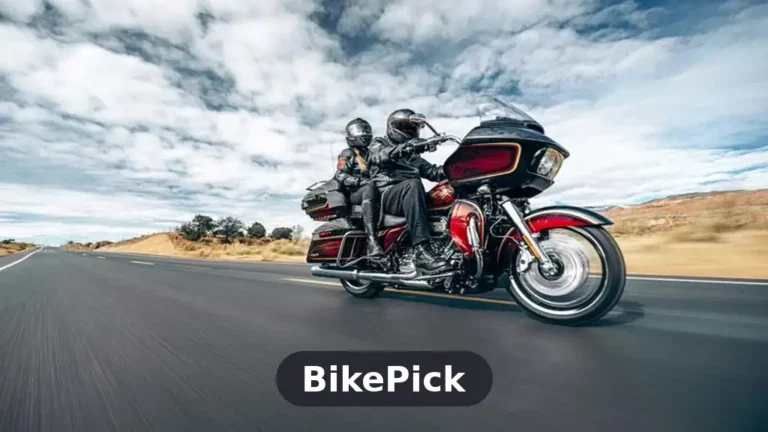
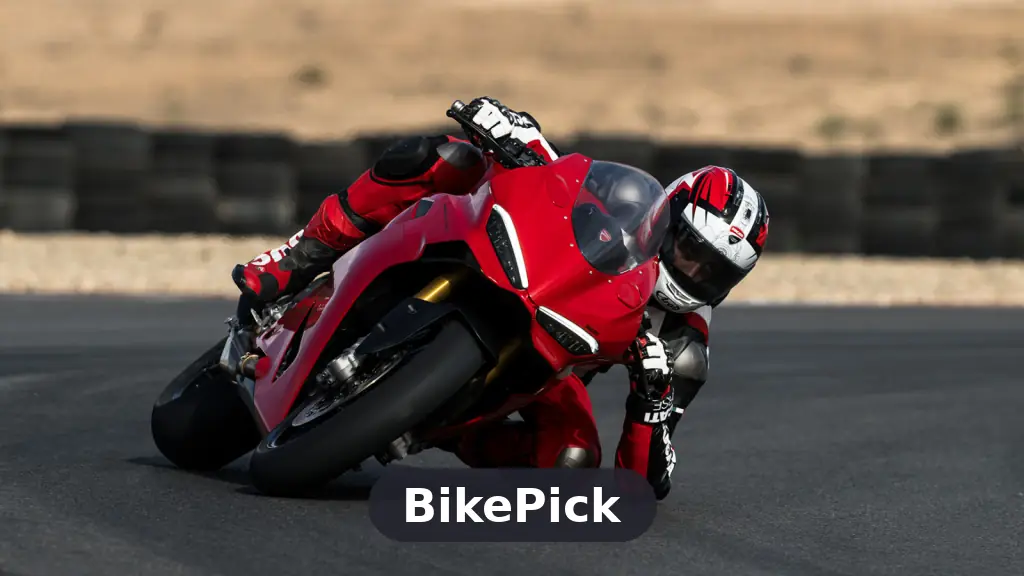
A sports bike is built for speed and handling on a smooth road or a track. The engine is tuned for high revs and strong top-end power, the riding position is low and forward, and the steering is sharp and quick. The fairing cuts through the wind, the brakes are powerful, and the suspension is firm. Every part of the design serves one purpose: going fast with precision.
That focus is also the weakness for a beginner. The power arrives suddenly at high revs, which can catch a new rider out. The riding position puts weight on your wrists and folds your body forward, which is tiring and makes slow control harder. The steering is so quick that a small input makes a big difference, and the brakes are strong enough to lock a wheel if you grab them in a panic. None of this makes a sports bike bad, but it makes it unforgiving.
Power, Throttle Control, and Beginner Mistakes
The biggest risk on a sports bike is the power. A large sports bike can accelerate far faster than a car, and the throttle is sensitive enough that a small mistake becomes a big one. New riders often twist the throttle too far when they are nervous, or they struggle with smooth control in a slow turn. On a smaller, gentler bike, that mistake is easy to correct. On a powerful sports bike, it can be serious.
Smaller sports bikes are a different story. They have the look and feel of a sports bike, but with manageable power, a lighter weight, and a more forgiving throttle. They are a good way to learn sports riding without the risks of a large machine. If you want a sports bike as a first bike, a small one is the sensible choice, and you can move up later when your throttle control and judgement are solid. Our engine size guide explains how to judge the right amount of power.
Riding Position, Comfort, and Daily Use
The sports riding position looks exciting, but it is hard work in daily use. Your wrists carry weight, your neck works to hold your head up, and your knees are bent sharply. On a short ride, that is fine. On a long ride, or in stop-start traffic, it becomes tiring and sore. Many new sports bike owners find they ride less than they expected, simply because the bike is uncomfortable for everyday journeys.
A sports bike is also less practical than other styles. There is little room for luggage, the pillion seat is small, and the fairing is expensive to repair if the bike falls over. Insurance also tends to cost more for sports bikes, especially for new riders, because the risk of a claim is higher. Add up the purchase price, insurance, and repair costs before you buy, using our total cost guide to see the full picture.
Sports Tourers and Naked Bikes as Smarter First Steps
If you love the sports look but want a bike you can actually enjoy every day, look at a sports tourer. These bikes keep much of the performance and styling, but raise the bars, lower the pegs, and soften the suspension, so the riding position is far more comfortable. They are still quick, but they are easier to live with, and they handle luggage and a passenger better too.
A naked bike is another good alternative. It has the same kind of engine and handling as a sports bike, but without the fairing and the extreme position. You sit upright, you can see clearly, and the bike is lighter and easier to control at low speed. Many riders who start on a naked bike move to a sports bike later and enjoy it far more, because they already have the skills. Read our naked motorcycle guide to see why this style suits new riders so well.
Training, Gear, and Buying Safely
Whatever bike you choose, proper training matters more on a sports bike than on any other style. Take a recognised training course, practise emergency braking and slow control in a safe place, and build your skill gradually. Good gear is essential too: a well-fitting helmet, a protective jacket, gloves, and boots that protect your ankles. Sports riding rewards skill and punishes overconfidence, so respect the learning curve.
When you buy, take a proper test ride that includes traffic, a winding road, and a stop. Check whether you can reach the ground, whether your wrists ache after twenty minutes, and whether the throttle feels manageable. If the bike feels like too much, it probably is. There is no shame in starting smaller. Our test ride guide explains what to check before you commit.
Conclusion
Sports motorcycles are thrilling, but they are the hardest first bike a beginner can choose. A large sports bike has too much power, too sharp a position, and too little forgiveness for most new riders. A small sports bike, a sports tourer, or a naked bike gives you the excitement with far less risk, and lets you build the skill to enjoy a bigger sports bike later. Choose the bike that matches your skill today, not the bike you hope to grow into tomorrow.
Are sports motorcycles good for beginners
A large sports bike is not a good first bike for most beginners, because the power is strong, the riding position is demanding, and the handling is very sharp. A small sports bike is a better starting point, and a sports tourer or naked bike gives you similar excitement with more comfort and forgiveness.
What size sports bike should a beginner buy
A small sports bike is the sensible choice for a beginner. It has the sports look and feel, but with manageable power and lighter weight. You can learn throttle control, braking, and cornering safely, then move to a larger sports bike later when your skill and judgement are ready.
Are sports bikes uncomfortable for daily riding
Yes, most pure sports bikes are uncomfortable for daily riding. The low bars put weight on your wrists, your knees bend sharply, and your neck works hard. Short rides are fine, but commuting and long rides are tiring. A sports tourer is far more comfortable for everyday use.