Best Beginner Motorcycles and What Makes a Bike Beginner Friendly
Every experienced rider started on a first bike, and most of them will tell you the same thing. The best beginner motorcycle is not the fastest or the most impressive one. It is the one that lets you learn safely, build confidence and enjoy riding from the first week. A forgiving bike makes good habits easier to form. An unforgiving bike makes every small mistake feel bigger than it is.
This guide does not give you a single model to buy, because the right first bike depends on your size, your riding and your local market. Instead, it explains the traits that make a bike beginner friendly, the types that usually work well, and the mistakes new riders most often make when choosing. With those traits clear, you can walk into any showroom or used listing and judge a bike on its merits.
What makes a bike beginner friendly
A beginner friendly bike shares several traits. It is light enough to handle at walking pace, with a seat low enough that you can put your feet down with confidence. Its power delivery is smooth and predictable, with no sudden surge when you open the throttle a little too far. Its clutch and brakes are easy to modulate, its steering is stable at low speed, and its riding position is upright, giving you a good view of the road.
These traits matter most in the situations new riders find hardest. Pulling away from a junction, turning at low speed, stopping on a slope, filtering through slow traffic and parking all demand balance and fine control. A light bike with a low centre of gravity is easier in all of them. A heavy bike with a tall seat and a sharp throttle is harder in all of them, even if it feels exciting on an open road.
Weight and seat height matter more than power
New riders often focus on engine size and top speed, but weight and seat height decide how a bike feels day to day. A lighter bike is easier to push, park, turn and catch if it starts to tip. A lower seat lets you plant your feet firmly, which builds confidence at every stop. Together, they make the difference between a bike you control and a bike that controls you.
Seat height alone does not tell the whole story. Seat shape, seat width and suspension sag all affect how easily you reach the ground. A narrow seat can feel lower than a wide seat at the same height. The only reliable test is to sit on the bike yourself, in riding boots, and see how much of your foot touches the ground. Our guide to seat height and bike fit explains how to check this properly.
Weight is similar. A bike that weighs a little more but carries its weight low can feel lighter than a taller bike that weighs less on paper. Lift the bike off its stand, walk it forward and back, and try a slow turn. That simple test tells you more than a specification sheet. If you can manage the bike calmly at walking pace, you will manage it far better at road speed.
Smooth power beats big power for learning
A beginner needs an engine that forgives small errors. When you are learning clutch control, you will sometimes give a little too much throttle or release the clutch a little too fast. On a smooth, modest engine, that mistake is a small jerk. On a powerful, sharply tuned engine, it can be a lurch forward that shakes your confidence.
Look for an engine with steady torque at low revs, so the bike pulls cleanly from a slow start without needing high revs. Look for a throttle that responds in proportion to your input, not one that feels dead for the first part of the twist and then suddenly wakes up. A bike that is easy to ride slowly is a bike that is easy to learn on, because slow riding is where new riders spend most of their early time.
Safety features worth having from the start
Anti lock braking, known as ABS, is one of the most useful safety features for a new rider. It helps prevent the wheels locking under hard braking, which is a common cause of falls for riders who are still learning how much brake pressure to use. If you have a choice between two similar bikes, the one with ABS is usually the better choice for a beginner.
Traction control can also help, especially in wet conditions, by reducing power if the rear wheel starts to slip. It is not a substitute for good technique, and it will not save a rider who rides far beyond their limits, but it adds a useful margin while you are learning. Learn how these systems work in our guide to ABS and traction control explained for new riders.
Bike types that usually suit new riders
Naked bikes are a common first choice for good reason. They are usually light, upright and uncomplicated, with no fairing to damage in a slow drop and a riding position that gives a clear view of traffic. Many are available in modest engine sizes with smooth power and ABS, and they work well for commuting and weekend rides alike.
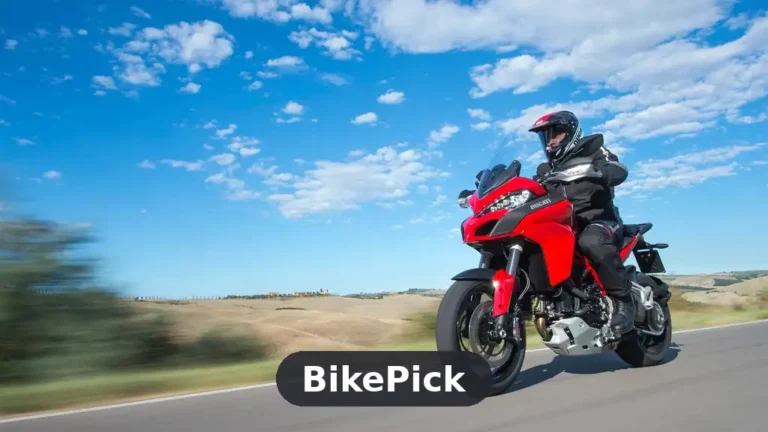
Small commuters and standard bikes are also strong options, especially if your riding is mainly town and short trips. They are economical, easy to maintain and simple to handle. Lightweight cruisers can suit riders who want a low seat and a relaxed pace, though some are heavier than they look, so check the weight carefully. Small adventure style bikes can work well too, but many are tall, so shorter riders should test the seat height in person.
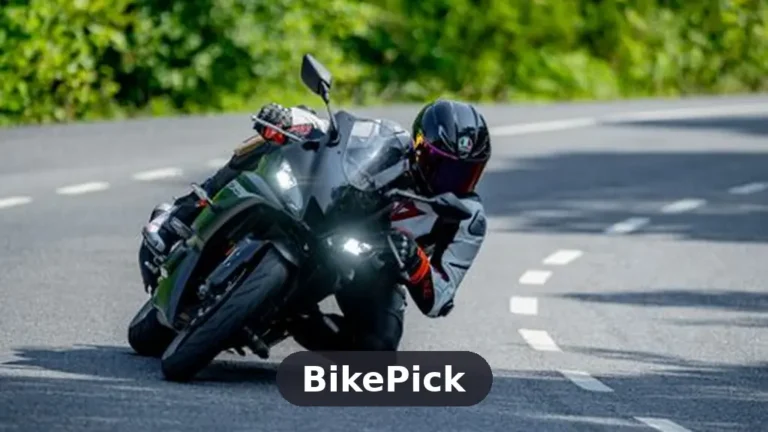
Sports bikes can be tempting, but most are a poor first choice. The leaned forward position, sharp throttle and high performance demand more skill and more concentration, and a small mistake costs more. If you love the sports look, consider a sports styled naked or a modest sports bike with upright ergonomics and a forgiving engine, and revisit a full sports bike after a year or two of experience. For a wider comparison, see our guide to bike types explained.
New or used for a first bike
Many new riders choose a used first bike, and there are good reasons for that. A used bike costs less to buy and usually less to insure. A slow drop in a car park, which is common while learning, is less painful on a bike that already has a few marks. You can also sell a well chosen used bike after a year or two without losing as much money as you would on a new bike.
Whichever route you take, budget for gear from the start. A good helmet, jacket, gloves and boots are not optional extras. They are part of the cost of riding. A cheap bike with proper gear is a far better first setup than an expensive bike with no gear. Our essential riding gear guide explains what to look for in each item.
Conclusion
The best beginner motorcycle is the one that helps you learn, not the one that impresses other people. Choose light weight, a comfortable seat height, smooth power and ABS where you can. Choose a type that fits your daily riding, test ride before you buy, and leave room in your budget for good gear. Ride that first bike for a season or two, learn its limits and yours, and you will know exactly what you want from your next bike when the time comes.
What size motorcycle is best for a beginner
Most beginners do best with a modest engine that feels smooth and predictable, rather than a large engine that feels intimidating. The right size also depends on your weight, height and riding. Test ride at least two different sizes and choose the one you can control confidently at low speed and on a faster road.
Is ABS important on a first motorcycle
Yes, ABS is very useful for a new rider. It helps stop the wheels locking under hard braking, which is a common cause of falls while you are still learning brake control. If two bikes are otherwise similar, choose the one with ABS. It does not replace good braking technique, but it adds a useful safety margin.
Should my first bike be new or used
A used bike is often a good first choice because it costs less, is usually cheaper to insure, and a small drop is less costly. A new bike gives you a warranty and known history. Either can work well if the bike fits you, is in good condition and leaves room in your budget for proper riding gear.
How do I know if a beginner bike is too tall for me
Sit on the bike in riding boots and check how much of your feet reach the ground. You should feel stable at a stop, not on tiptoes and worried about balance. Also walk the bike forward and back and try a slow turn. If you feel unsteady, look for a lower seat, a narrower seat or a different model.