How to Pick Your First or Next Motorcycle
Picking a motorcycle is exciting, and it is also easy to get wrong. A bike that looks perfect in a photo can feel too tall, too heavy or too demanding once you ride it in real traffic. A bike that seems modest on paper can turn out to be the one you enjoy every day. The difference is rarely about brand or style alone. It is about fit between the bike, the rider and the kind of riding that will actually happen.
This guide gives you a practical method to follow, whether this is your first motorcycle or your third. We will work through how you ride, how a bike should fit you, what engine size makes sense, what the real cost looks like and how to test a bike before money changes hands. If you follow the steps in order, you should finish with a short list of bikes that suit you, not a long list of bikes that impressed someone else.
Start with how you will actually ride
Before you look at any model, write down your real riding week. How far is your commute, and how much of it is stop and start traffic? Will you ride on motorways or highways, on country roads, on gravel, or a mix of all three? Will you carry a passenger, luggage, or both? Will you ride in rain and cold, or mainly in fair weather?
Honest answers narrow the field fast. A short city commute favours a light, narrow bike with good low speed manners and a low seat. Regular highway riding favours a bike with enough power to cruise comfortably, a fairing or screen for wind protection, and a seat that stays comfortable after an hour. Weekend touring adds luggage capacity, a larger fuel tank and a relaxed riding position. Off road riding needs ground clearance, long travel suspension and tyres that grip loose surfaces.
Check fit before you check specifications
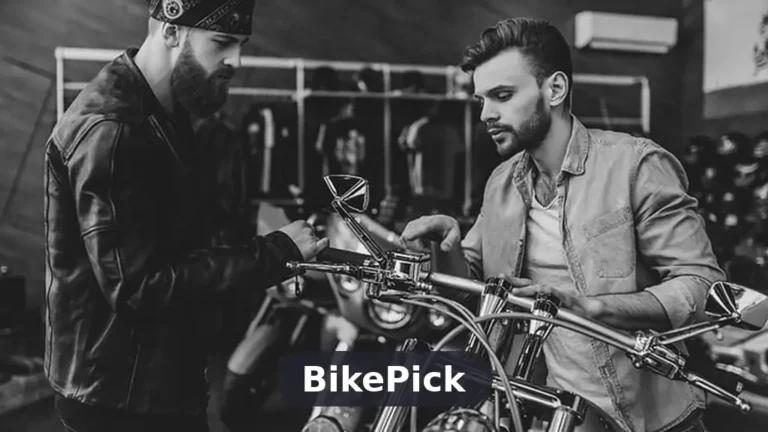
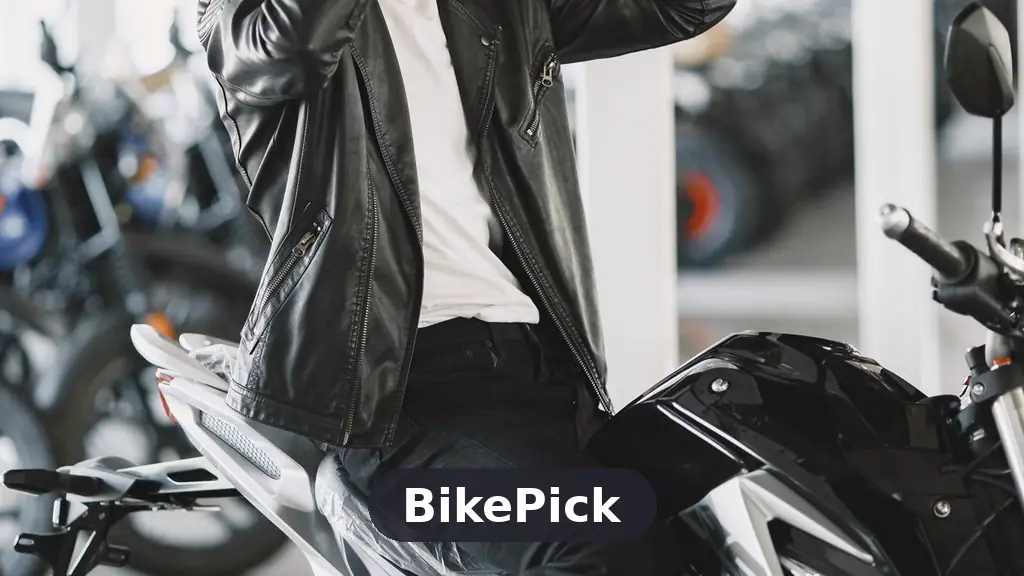
Seat height, weight and riding position matter more than headline power figures. Sit on every bike on your short list. Can you place both feet flat, or at least the balls of both feet firmly on the ground? Can you reach the handlebars without stretching or hunching? Do your knees sit comfortably against the tank, and can you operate the brakes, clutch and gear lever without strain?
Riding position also affects comfort and control. Upright bars give a clear view of traffic and a relaxed back. A leaned forward position gives more feel at speed but can tire your wrists and neck on longer rides. Foot peg position affects knee bend and leg comfort. There is no single correct position. The right one is the one that lets you ride for an hour without pain and still reach every control easily. Our guide to seat height and bike fit explains the checks to run on any bike you sit on.
Choose an engine size that matches your experience
Engine size is often treated as a status symbol, but it is really a question of control. A smaller engine is lighter, cheaper to run and more forgiving when you make a mistake with the throttle or clutch. A larger engine gives more overtaking power and more relaxed cruising, but it also responds faster, weighs more and costs more to insure and maintain.
Work out the total cost, not just the purchase price
The sticker price is only the start. Insurance, gear, tax or registration where it applies, servicing, tyres, chain care and fuel all add up over a year. A cheap bike that needs new tyres, a service and a repair can cost more in the first year than a slightly more expensive bike in good condition. A powerful bike can cost far more to insure than a modest one, especially for a new rider.
Set a total budget before you shop. Include a good helmet, jacket, gloves and boots if you do not already own them, because riding without proper gear is not a saving. Allow a reserve for the first service and for anything a used bike inspection reveals. If you are buying used, budget for an independent inspection where possible. It is a small cost compared with buying a bike with hidden faults.
Costs vary widely by market, so treat any figure you see online as general guidance only. Get insurance quotes for the exact models on your short list before you commit, because the difference between two similar bikes can be large. Check parts availability and servicing costs too. A bike with a strong dealer or parts network in your area will be cheaper and easier to live with than a rare model with long waits for spares. Our guide to total cost of owning a motorcycle walks through every cost to include in your budget.
Compare bike types with a clear head
Once you know your riding and your budget, compare bike types rather than individual models. Naked bikes are often a good starting point because they are light, upright and easy to manage. Commuters are built for daily use and low running costs. Cruisers offer a low seat and relaxed pace but can be heavy. Sports bikes offer sharp handling and high performance but demand more skill and a committed riding position. Adventure bikes offer versatility and comfort but can be tall and heavy.
For a fuller comparison, see our explanation of commuter, touring, sports, cruiser and adventure bike types. It sets out what each type does well and where each type struggles, so you can match the type to your week rather than to a picture.
Test ride properly and check the bike in person
A test ride tells you more in twenty minutes than hours of reading. Ride the route you will actually use if you can, including slow traffic, a faster road and a turn or two. Notice how the bike pulls away, how smooth the clutch and throttle feel, how the brakes respond, how the suspension handles bumps and how comfortable you feel after ten minutes. Notice also how easy it is to see mirrors, indicators and the dashboard.
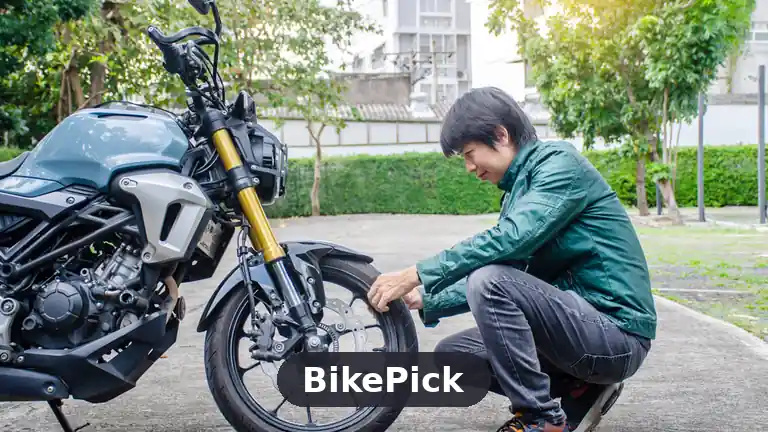
If you are buying used, inspect the bike carefully before the test ride. Check tyres for wear and age, check the chain and sprockets, look for leaks, check that lights, indicators and brakes all work, and ask for service history and ownership papers. Start the bike from cold if possible, because a warm engine can hide starting problems. Listen for unusual noises and feel for vibration, pulling to one side or a clutch that slips. Our used motorcycle buying checklist covers the inspection, papers and test ride in detail.
Do not rush the decision. If a seller pressures you, walk away. A good bike will still be a good bike tomorrow, and another one will come along if this one sells. Take notes after each test ride while the feel is fresh, because bikes blur together after three or four rides. Compare your notes, not your memory, when you make the final choice.
Conclusion
Choosing a motorcycle is a process, not a single moment of inspiration. Define your riding, check the fit, choose a sensible engine size, count the full cost and test the bike properly. When those steps line up, the bike you choose will feel right on the first ride and still feel right a year later. Take your time, trust what you feel on the bike rather than what you read in a brochure, and buy the bike that fits your life, not someone else’s idea of it.
What is the best first motorcycle for a new rider
There is no single best first motorcycle, because the right choice depends on your height, weight, riding and budget. Most new riders do best with a light, upright bike with a modest engine and predictable controls. Sit on several bikes, test ride at least two, and choose the one you feel most confident on at low speed.
How do I know if a motorcycle fits me
Sit on the bike and check that you can reach the ground comfortably, reach the bars without stretching, and operate every control easily. Walk the bike forward and back and try a slow turn if you can. If you feel strained, cramped or worried about the weight, the fit is wrong even if the seat height number looks right.
Should I buy a new or used motorcycle first
A used bike is often a good first choice because it costs less, insurance is usually lower, and a small drop is less painful. A new bike gives you a warranty and known history. Either can work well. What matters most is condition, fit and total cost, so inspect a used bike carefully and compare the full first year cost of both options.
How much should I budget beyond the price of the bike
Allow for insurance, riding gear, registration or tax where it applies, the first service, tyres and chain care. Costs vary widely by market, so get quotes for the exact models on your short list. Keep a small reserve for unexpected work, especially on a used bike, rather than spending your full budget on the purchase price alone.