How to Negotiate the Price of a Motorcycle
Almost every motorcycle price is negotiable, whether you are buying from a dealer or a private seller. The number on the listing is usually a starting point, and a prepared buyer can often agree a fairer price without any awkwardness. Good negotiation is not about pressure or tricks. It is about knowing what the bike is worth, understanding what the seller needs, and making a fair offer that both sides can accept.
This guide covers the whole process: researching the market, inspecting the bike, building your offer from real facts, and closing the deal in a way that leaves both sides happy. It works for new and used bikes, and the same principles apply whether you are buying your first bike or your fifth.
Know the Market Before You Talk Price
Negotiation starts before you contact the seller. Look at several similar bikes for sale in your area, matching the make, model, year, mileage, and condition as closely as you can. Note the asking prices and how long each listing has been live. A bike that has been listed for weeks is more likely to have room to move than one listed yesterday.
Also check what similar bikes have actually sold for, if that information is available in your market. Asking prices are hopes. Sold prices are facts. The gap between the two tells you how much room there usually is. If you cannot find sold prices, use the range of current listings to build a realistic picture of value.
Set your limits before you negotiate. Decide the maximum you will pay, and decide the price you would like to pay. Keep those numbers private. If you tell the seller your maximum, you have just set the price. Knowing your walk away number in advance also stops you from overpaying because you have fallen in love with the bike.
Let the Inspection Build Your Case
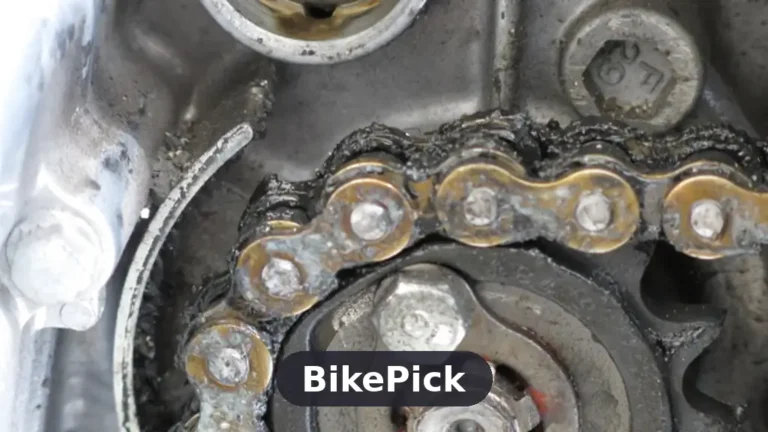
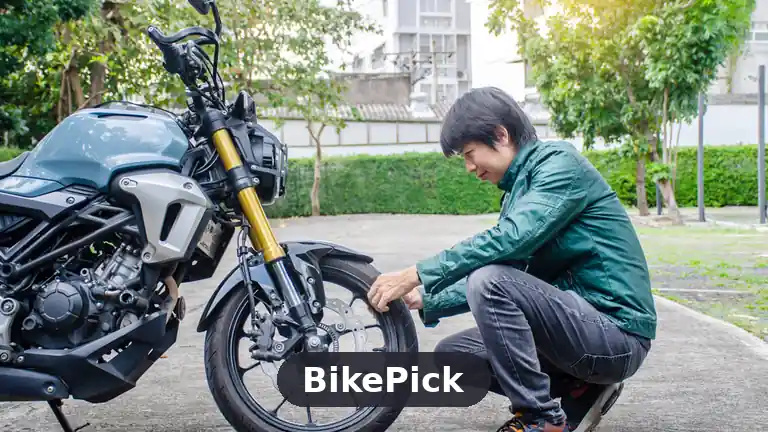
The strongest negotiating tool is not a clever line. It is the condition of the bike. Every worn tyre, tired chain, overdue service, or scratched panel is a real cost you will pay after buying. Add those costs up during your inspection so your offer is based on facts, not feelings.
Costs vary by market, so think in general terms rather than fixed figures. A set of tyres, a chain and sprocket set, a full service, and a new battery are all meaningful expenses. If a bike needs several of those soon, that is a strong and fair reason to offer less. Note each item as you find it, and be ready to explain it calmly to the seller.
Do not invent faults or exaggerate small wear. Sellers can tell when a buyer is making things up, and it damages your credibility. Be honest about what you find, and focus on the items that genuinely cost money or affect safety. A fair list of real costs is far more persuasive than a long list of nitpicks. Use our used motorcycle buying checklist to inspect the bike properly before you discuss price.
Make Your First Offer With Confidence
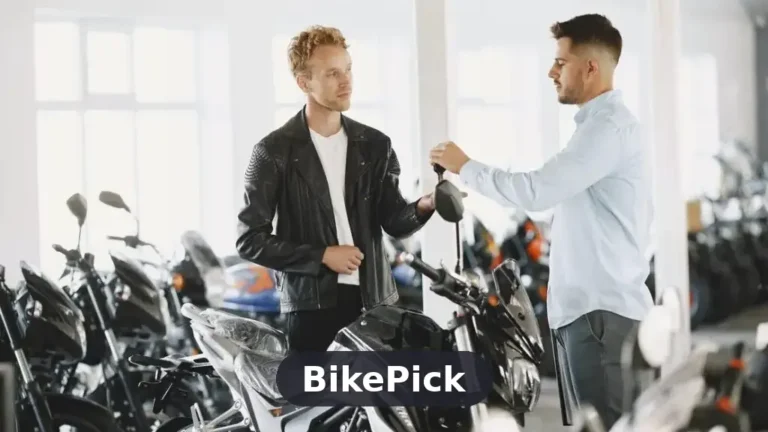
Start by showing genuine interest in the bike. Ask about its history, why the seller is selling, and how it has been used. People are far more willing to negotiate with someone who respects the bike than with someone who opens with a low offer and a list of complaints.
When you make your offer, give a reason. A good offer sounds like this: the bike is in good shape overall, but the tyres are worn, the service is overdue, and the chain needs replacing, so I can offer this amount. That is specific, fair, and easy for the seller to consider. A bare low number with no reason is easy to refuse.
Do not be afraid of silence after your offer. Sellers often need a moment to think, and filling the silence with a higher offer only helps them. State your offer, explain it briefly, and wait. If the seller counters, consider it properly. Negotiation is a conversation, not a race.
Be ready to meet in the middle. If the seller’s price and your offer are close, a small move from each side often closes the deal. Decide in advance how much you are willing to move, and do not exceed your maximum. If you cannot reach agreement, thank the seller politely and leave your number. Many sellers call back after thinking it over.
Negotiating With a Dealer
Dealers negotiate differently from private sellers. They have more room on some things and less on others. The price of the bike may be firmer, but there may be room on accessories, gear, servicing, warranty, or delivery. Ask what is included in the price before you negotiate, so you know what you are actually paying for.
Ask for an itemised quote that separates the bike price from taxes, fees, and extras. Some fees are fixed, but others are not, and an itemised quote shows you where the money is going. If a fee looks unclear, ask what it covers. A good dealer will explain it without hesitation.
Timing helps with dealers. End of month, end of season, and model changeover periods can all bring more flexibility, because dealers have targets to meet and older stock to move. You do not need to wait for a perfect moment, but if you have a choice of when to buy, those periods are worth considering. Read our guide on how to buy a motorcycle from a dealer without overpaying for the full dealer process.
If you have a trade in, negotiate it separately from the new bike price. Dealers sometimes offer a high trade in value while keeping the new bike price high, or the other way around. Agree the price of the bike you are buying first, then discuss the trade in. That way you can see both numbers clearly.
What Not to Do When Negotiating
Do not insult the bike or the seller. Telling someone their bike is worthless will not make them sell it to you cheaply. It will make them stop talking to you. Be respectful even when you are pointing out faults. You are negotiating with a person, not fighting an opponent.
Do not lie about other bikes or invented offers. Sellers who know their market will see through it, and it destroys trust. Do not pretend you will walk away if you have no intention of doing so, and do not make an offer you cannot honour. If you agree a price, be ready to pay it.
Do not rush. Pressure works both ways, and a seller who rushes you is often hiding something. Take your time, check the bike, and think about the numbers. A good deal today is still a good deal after a night to think about it. A bad deal only feels urgent because someone wants you to decide before you think.
Closing the Deal Cleanly
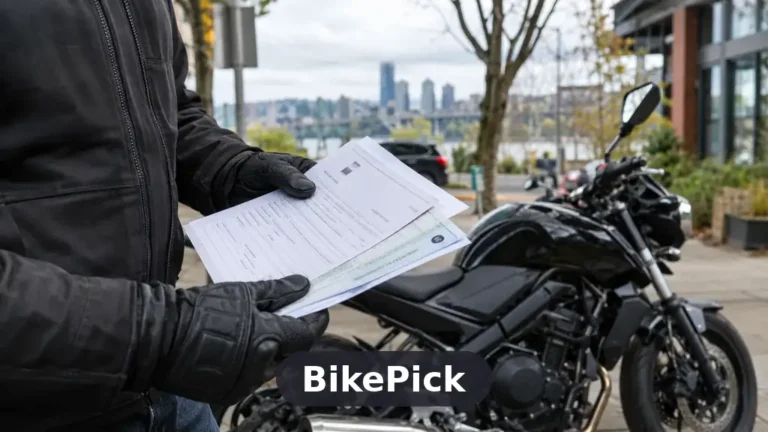
Once you agree a price, confirm exactly what is included. With a private seller, that usually means the bike, both keys, the documents, and any spares the seller mentioned. With a dealer, it means the bike plus whatever accessories, servicing, or warranty was agreed. Get it in writing before you pay, so there is no confusion later.
Pay in a traceable way and get a signed receipt that records the price, the date, and the bike’s details. Complete the ownership transfer promptly and arrange insurance before your first ride. These steps are covered in detail in our motorcycle paperwork checklist.
Finally, remember that a good negotiation leaves both sides feeling fairly treated. The seller gets a fair price for a bike they cared for, and you get a bike at a price that reflects its real condition. That is a better outcome than winning a few extra pounds or dollars by pushing someone into a deal they regret. The bike is the start of a relationship with riding, not a contest, and a fair deal is the best way to begin.
How much below the asking price should I offer for a used motorcycle
There is no fixed rule. Base your offer on the market value of similar bikes and the cost of work the bike needs, such as tyres, chain, or service. A fair offer backed by real costs is more likely to be accepted than a random low number.
Is it rude to negotiate the price of a motorcycle
No, negotiation is normal when buying a motorcycle, especially a used one. Sellers expect it. Be polite, explain your reasons, and respect the seller if they say no.
Should I negotiate over the phone or in person
In person is better. You can inspect the bike, see its real condition, and build your offer on what you find. A phone offer before inspection is weak because you do not yet know what the bike needs.