How to Buy a Motorcycle from a Private Seller Safely
Buying a motorcycle from a private seller can be one of the best ways to get a good bike for less money. There is no dealer markup, no showroom pressure, and often room to agree a fair price directly with the owner. It can also go wrong quickly. A private sale usually means no warranty, no cooling off period, and no one to complain to if the bike turns out to have hidden problems or the paperwork is not in order.
The good news is that most of the risk can be removed before you pay. A careful inspection, a proper check of the documents, and a calm test ride will tell you almost everything you need to know. This guide walks through the whole process, from the first message to the moment the bike becomes yours.
Start With the Seller, Not the Bike
A motorcycle is only as trustworthy as the person selling it. Before you travel to see a bike, spend a few minutes learning about the seller. Ask how long they have owned it, why they are selling, and whether they have service records. A genuine owner usually answers easily and has a clear reason for selling, such as moving to a different style of bike, giving up riding, or needing the space.
Meet in a safe, public place during daylight, and take someone with you if you can. A second pair of eyes helps during the inspection, and it is simply safer. Tell a friend where you are going and when you expect to be back. If the seller insists on meeting somewhere isolated or late at night, walk away. No bargain is worth that risk.
Check the Paperwork Before You Fall in Love With the Bike
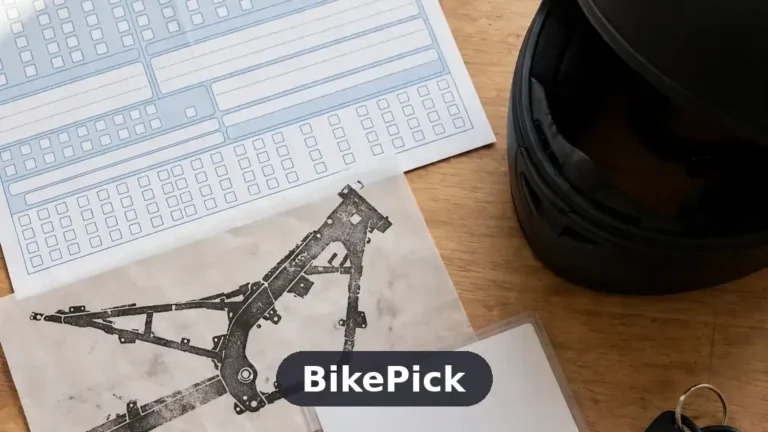
Ask to see the ownership documents before you start the engine. The name on the title or registration should match the seller’s identification. If the seller is not the named owner, ask why. There can be a legitimate reason, such as selling on behalf of a family member, but you should be able to see proof of that arrangement. A seller who cannot show that they have the right to sell the bike is a serious warning sign.
Check that the identification number on the frame matches the number on the documents, and do the same for the engine number if it is recorded. Numbers that do not match, or look altered or re-stamped, mean you should stop and walk away. Also check whether there is any outstanding finance, lien, or theft record on the bike. The exact service for this varies by market, so look up the official check available where you live and run it before you pay. Our full motorcycle paperwork checklist explains each document in detail.
Inspect the Bike in Daylight, Cold
Always arrange to see the bike when the engine is cold. A warm engine can hide starting problems, smoke, and rough running that appear only on a cold start. If you arrive and the engine is already warm, ask the seller why, and be suspicious if they cannot give a straight answer. A cold start tells you a lot about the health of the engine.
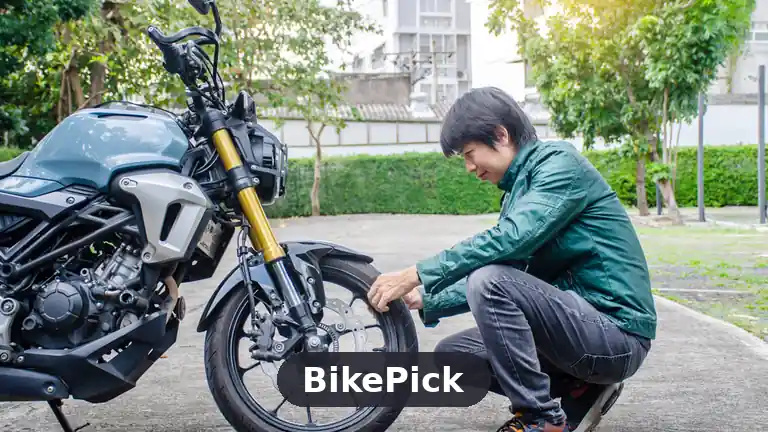
Walk around the bike slowly and look at it in good light. Check the tyres for wear, cracks, and age. Look at the chain and sprockets, the brake discs and pads, and the fork seals for leaks. Check the lights, indicators, horn, and switches. Look for mismatched paint, uneven panel gaps, or fresh paint on one side only, which can point to crash damage. Small scratches from normal use are fine. Fresh damage hidden under new paint is not.
If you are not confident inspecting a bike yourself, pay an independent mechanic to look at it. A pre-purchase inspection usually costs far less than a single major repair, and a good mechanic will spot things you will miss. If the seller refuses to let a mechanic inspect the bike, that refusal is your answer. For a full step by step inspection routine, see our used motorcycle buying checklist.
Take a Proper Test Ride
Never buy a bike you have not ridden, unless you are buying a genuine project bike at a project price and you know exactly what you are doing. A test ride is where problems show up that a stationary inspection cannot reveal, such as a slipping clutch, a gearbox that jumps out of gear, brakes that pull to one side, or handling that feels wrong.
Before the ride, agree the terms. The seller may want to hold your identification or a deposit while you ride, which is reasonable. Make sure you have the right licence and insurance cover for the ride, and wear your full gear. Ride on a mix of roads if possible, including a slow turn, a stop and start, and a stretch where you can use the higher gears. Listen for noises, feel for vibrations, and test the brakes gently at first, then more firmly when you know the road ahead is clear.
Agree the Price and Pay Safely
Negotiate with facts, not with enthusiasm. If the tyres are worn, the chain needs replacing, or the service is overdue, those are real costs you will pay soon after buying. Add them up and use them to support your offer. Stay polite and realistic. A fair offer backed by real numbers is far more likely to be accepted than a low offer with no reasoning. Our guide on how to negotiate the price of a motorcycle covers this in detail.
When you agree a price, get a written receipt signed by both of you. It should record the date, the price, the bike’s make, model, year and identification number, and the names of buyer and seller. Keep a copy of the seller’s identification details with it. This receipt protects you if there is any later dispute about what was sold or what was paid.
Pay in a traceable way, such as a bank transfer, rather than cash if you can. If you do pay cash, count it together, get the receipt signed at the same time, and do it somewhere safe. Never pay in full before you have seen the bike, the documents, and the seller in person. Never pay a deposit to hold a bike you have not seen. That is one of the most common scams in private sales.
Finish the Transfer Properly
The sale is not finished when the money changes hands. The ownership must be transferred into your name through the proper process where you live. Do this promptly, and keep proof that you have submitted the transfer. Until the transfer is complete, the bike may still be registered to the seller, which can cause problems for both of you.
Sort out insurance before you ride the bike home, not after. Check what cover you need and arrange it so it starts before your first ride. Also check whether the bike needs an inspection, roadworthiness test, or registration renewal, and plan for that cost and timing. A bike that cannot legally be ridden home is not a bargain, whatever the price.
Private Seller Safety Checklist
Use this short checklist on every private sale. It takes a few minutes and can save you from the most common mistakes.
One, the seller’s name matches the ownership documents. Two, the frame and engine numbers match the papers. Three, a history, finance, or theft check has been run and is clear. Four, the engine was cold when you arrived and started cleanly. Five, you have ridden the bike and it brakes, steers, and changes gear properly. Six, you have a signed receipt and a traceable payment record. Seven, insurance and ownership transfer are arranged before your first ride home.
If any item on that list fails and the seller cannot explain it, pause the deal. A good bike will still be there after you check. A bad deal will not improve because you hurried.
Private sales reward patient buyers. The right bike, from an honest seller, with clean paperwork and a proper inspection, is one of the best deals in motorcycling. Take your time, check everything, and be ready to walk away. The next listing is always around the corner, and walking away from a bad bike costs you nothing. Buying it can cost you far more.
Is it safe to buy a motorcycle from a private seller
Yes, it can be safe if you check the ownership documents, match the frame number to the papers, run a history check, inspect the bike cold, and take a test ride. The risk comes from skipping those checks, not from the private sale itself.
Should I pay a deposit before seeing the bike
No. Never pay a deposit for a bike you have not seen in person. Deposits paid in advance are a common scam, and a genuine seller will let you inspect the bike before any money changes hands.
What should I do if the seller is not the named owner
Ask for proof that the seller has the right to sell the bike, such as written authority from the named owner. If they cannot provide it, do not buy the bike, because the transfer may be refused.