How to Buy a Motorcycle from a Dealer Without Overpaying
Buying a motorcycle from a dealer has clear advantages. You get a bike that has been checked, a warranty, help with paperwork, and someone to go back to if something goes wrong. You also pay for that convenience, and the price can grow quickly once fees, accessories, and finance are added. A buyer who walks in unprepared can easily pay far more than the bike is worth.
The good news is that overpaying is avoidable. With a little research before you visit, a clear budget, and a calm approach to negotiation, you can get a fair deal and still enjoy the benefits of buying from a dealer. This guide walks through each step, from research to the final paperwork, so you know what to expect and what to question.
Research Prices Before You Visit a Dealer
Start by finding out what the bike is actually worth. Check the prices of the same model, in similar condition and with similar mileage, from other dealers and private sellers. Look at several listings, not just one, so you get a sense of the real market range. A dealer price will usually be higher than a private price, because the dealer has checked the bike and offers a warranty, but the gap should be reasonable, not huge.
Also research the total cost of owning the bike, not just the purchase price. Insurance, servicing, tyres, and gear all add up, and a bike that looks cheap can be expensive to run. Our total cost guide helps you add up the full cost before you commit, and our new versus used guide helps you decide whether a new or used bike from a dealer is the better value for you.
Understand the Real Price: Fees and Add-Ons
The price on the bike is rarely the price you pay. Dealers often add fees for preparation, documentation, delivery, and registration, and these can add a significant amount to the total. Ask for a full written breakdown of every charge before you agree to anything, and question any fee you do not understand. A fair fee is one the dealer can explain clearly, and a fee that cannot be explained is a fee worth challenging.
Add-ons are another way the price grows. Extended warranties, paint protection, security systems, and accessories can all be useful, but they are often sold at a high markup, and you may not need them. Decide in advance what you actually want, and do not let a salesperson add items you did not ask for. You can always buy accessories later, often for less, and you should never feel rushed into a decision at the desk.
How to Negotiate Without Feeling Awkward
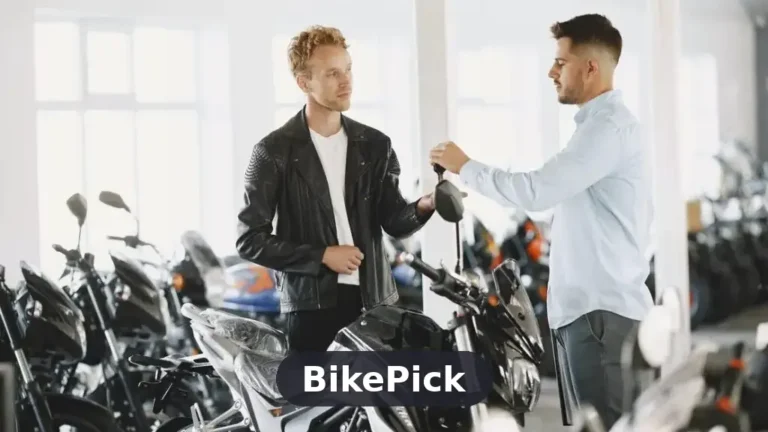
Negotiation is a normal part of buying from a dealer, and a good dealer expects it. The best approach is calm and polite, backed by research. Know the market price, know your maximum budget, and be ready to walk away if the deal is not right. Walking away is your strongest tool, because a dealer would rather make a fair sale than lose a buyer entirely. Our negotiation guide covers the tactics in more detail, from opening offers to closing the deal.
Focus your negotiation on the total price you will pay, not just the monthly payment or the sticker price. A low monthly payment can hide a long term, a high interest rate, or a large final payment. Ask for the total cost, including all fees and interest, and compare that figure across dealers. If the dealer offers a discount on accessories or servicing instead of a price cut, work out whether that is actually worth as much as the discount you asked for.
Finance, Trade-Ins, and the Pressure to Decide
Dealer finance can be convenient, but it is not always the cheapest option. Check the interest rate, the term, the total amount you will repay, and any fees for early repayment. Compare it with other options before you sign, and do not let the monthly payment distract you from the total cost. If you have a bike to trade in, research its value separately, so you know whether the dealer offer is fair. A low trade-in value can wipe out any discount on the new bike.
Watch for pressure tactics. A dealer may say the bike will be sold today, the price is only valid now, or another buyer is waiting. These claims may be true, but they are also a common way to rush a decision. A good deal today is usually still a good deal tomorrow, after you have had time to think. Take your time, sleep on a big purchase if you can, and never sign paperwork you have not read in full.
Final Checks Before You Sign and Pay
Before you sign, check the bike itself. Look at the tyres, the chain, the brakes, and the bodywork, and ask for the service history. Take a test ride if you have not already, and check that the bike starts easily from cold. Confirm what the warranty covers, how long it lasts, and what is excluded. Ask whether the bike has had any accident damage, and whether all the paperwork is in order.
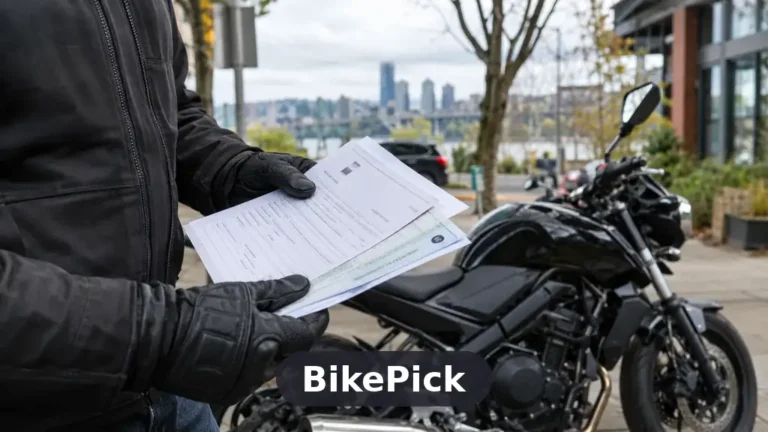
Read the contract carefully before you sign it. Check the price, the fees, the finance terms, and the warranty details against what you were told. Make sure nothing has been added that you did not agree to. Keep copies of everything you sign. Our paperwork checklist explains the documents to check, and our test ride guide covers the final ride before you buy.
Conclusion
Buying from a dealer without overpaying comes down to preparation. Research the market price, ask for a full breakdown of fees, negotiate on the total price, and take your time with finance and paperwork. A dealer offers real value in checking, warranty, and support, and a fair price reflects that. Walk in informed, stay calm, and be ready to walk away, and you will leave with a bike you enjoy at a price you can feel good about.
How much should I pay for a motorcycle at a dealer
A dealer price is usually higher than a private price, because the dealer has checked the bike and offers a warranty. Research the same model from other dealers and private sellers first, so you know the real market range. The gap should be reasonable, not huge, and the total price should include all fees.
What dealer fees should I watch out for
Watch for preparation, documentation, delivery, and registration fees, which can add a significant amount to the price. Ask for a full written breakdown of every charge before you agree to anything, and question any fee the dealer cannot explain clearly.
Can you negotiate the price at a motorcycle dealer
Yes, negotiation is a normal part of buying from a dealer, and a good dealer expects it. Know the market price, know your maximum budget, and be ready to walk away if the deal is not right. Focus on the total price you will pay, not just the monthly payment or the sticker price.